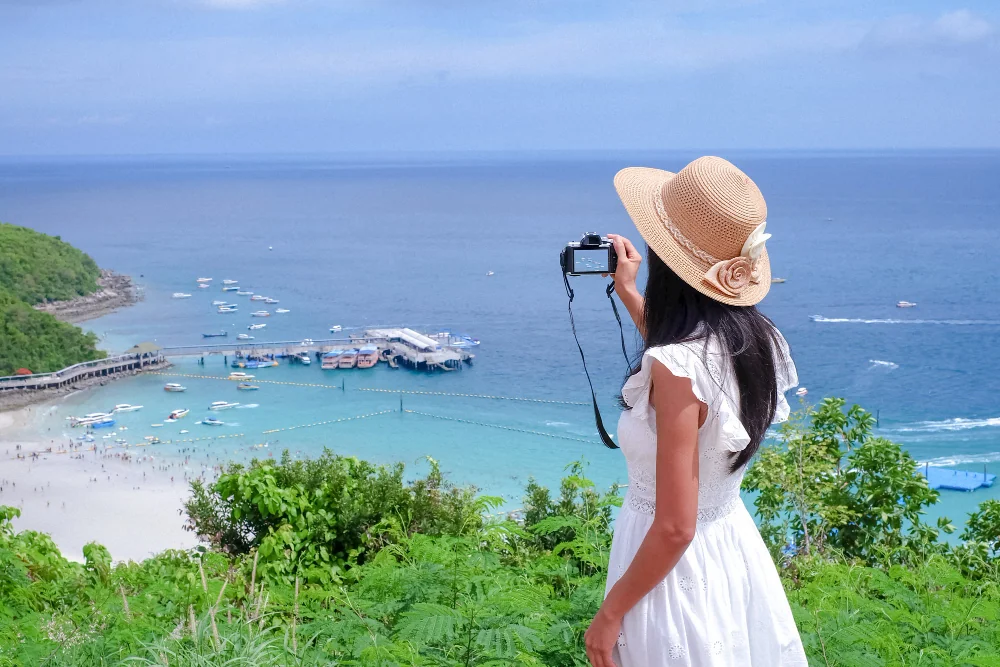
A family vacation is certainly one of the most anticipated moments. Besides being valuable quality time with loved ones, traveling together also provides new and meaningful experiences for the whole family.
However, many people hesitate to go on vacation due to concerns about high costs. In fact, with proper financial planning, you can still enjoy a fun and memorable trip without draining your savings. Check out the following budget-friendly travel tips to make your journey more comfortable while keeping your finances safe.
1. Choose a Destination Based on Your Family’s Needs
Before hunting for tickets or hotels, make sure you choose a destination that suits your family’s condition. If you are traveling with young children or elderly family members, pick places that are not too exhausting and offer adequate facilities.
In addition, destinations that are too far away often consume a large portion of the budget for transportation. If the main purpose of the trip is quality time, choosing a closer location can be a wiser option.
2. Set a Budget from the Start
An essential step in vacation planning is setting spending limits. Create a total budget that includes transportation, accommodation, meals, attraction tickets, shopping, and emergency funds. Then, break it down into detailed categories, such as:
-
40% for transportation
-
30% for accommodation
-
20% for meals and attractions
-
10% for emergency funds
This way, you are not just estimating costs but truly applying a clear budget travel concept.
3. Travel During the Low Season
One of the most effective budget travel tips is choosing the low season. During peak periods such as school holidays, religious holidays, or year-end vacations, transportation and hotel prices usually increase significantly.
Even for the same destination, the cost difference can be substantial. If possible, plan your vacation during the low season. Besides saving money, tourist spots are usually less crowded and more comfortable.
4. Take Advantage of Promotions and Discounts
Prices for plane, train, or bus tickets can change quickly. Therefore, monitor them well in advance and take advantage of available promotions. Nowadays, many travel platforms offer price monitoring features, allowing you to choose the best time to book. To save even more, consider these strategies:
-
Book tickets well in advance
-
Avoid departing on Friday nights or Sunday afternoons
-
Choose departure times outside peak hours
5. Choose a Strategic Location, Not Just a Cheap Hotel
One important tip for budget travel is finding accommodation in a strategic location. Hotels far from activity centers may be cheaper, but transportation costs can add up and increase the total budget. Make sure your accommodation is close to main attractions, easily accessible by public transport, and near convenience stores or dining options.
6. Bring Essential Items from Home
Bringing personal necessities such as medicines, snacks, or children’s supplies from home can help reduce expenses during the trip. Prices for these items at tourist destinations are usually higher. With proper preparation, you can avoid frequent last-minute purchases that may inflate your budget.
7. Plan a Realistic Itinerary
Creating an itinerary helps you manage time and expenses more efficiently. Choose attractions that are located close to one another to minimize transportation costs. With a clear travel plan, you can enjoy each destination at a relaxed pace while staying within budget.
8. Choose Free or Low-Cost Attractions
Not all interesting tourist spots are expensive. Many natural attractions, city parks, or educational sites offer free or low-cost admission. Activities such as picnicking, playing at the beach, or exploring a tourist village can also be enjoyable experiences for the whole family.
9. Use Public Transportation
If your destination has reliable public transportation, make use of it. Taking city buses, MRT/LRT, or local trains can significantly reduce costs compared to renting a vehicle every day or using ride-hailing services. If renting a vehicle is necessary, consider daily family rentals and compare the cost of car rental and fuel with round-trip online transportation fares.
10. Set a Limit for Souvenir Shopping
Souvenirs often cause budgets to blow out of control. This is especially true when traveling with a large family, as souvenir requests can be overwhelming. To manage this, set a souvenir budget from the beginning. It’s best to buy souvenirs in bulk for wholesale prices and choose items that are truly local products.
11. Prepare an Emergency Fund
A family vacation requires solid financial planning. Unexpected risks such as a child getting sick, losing belongings, or transportation schedule changes can happen at any time. Therefore, prepare an emergency fund of at least 10% of your total budget. This fund helps you stay calm, avoid panic, and prevent rushed decisions that often lead to higher expenses.
Those are budget-friendly travel tips you can apply. By setting a budget early, choosing the right timing, and managing even small expenses carefully, your family trip will be more comfortable and financially secure.
Beyond funding your vacation from personal savings, you may also consider additional financial support from other sources. Without disturbing your main household budget, you can take advantage of financing services from BFI Finance using motorcycle ownership documents (BPKB), car ownership documents (BPKB), or property certificates for houses, shop houses, or office houses.
All financing services provided by BFI Finance are licensed and supervised by the Financial Services Authority (OJK). With transparent and flexible processes, there is always #SelaluAdaJalan with BFI Finance to help you realize a fun and memorable family vacation.