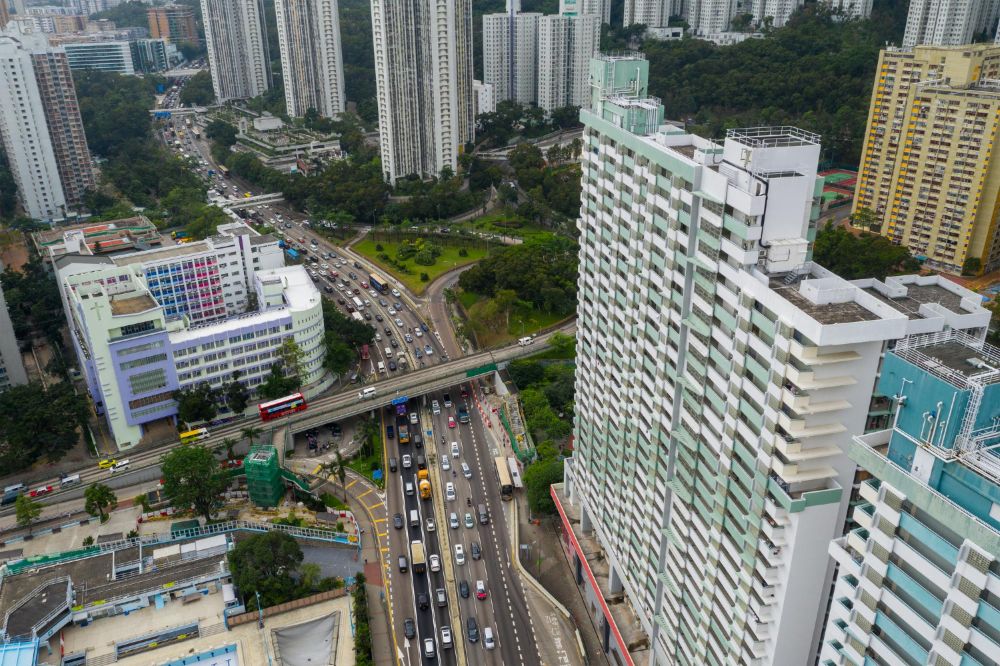
Living in Indonesia's most expensive city definitely comes with plenty of opportunities—but it also comes with a price tag to match. That's why understanding the true cost of living matters, especially if you're planning to move, work, or settle down in a big city.
Knowing the cost of living in your target city can help you manage your finances and build a more solid financial strategy. So which cities have the highest living costs, and how much should you budget? Here's the full rundown.
Cities with the Highest Cost of Living in Indonesia
Data from Indonesia's Central Statistics Agency (BPS), through its 2022 Cost of Living Survey (SBH), reveals a striking gap between income and expenses in major cities. Jakarta, unsurprisingly, tops the list as the most expensive city to live in across the country.
Even though Jakarta's 2026 minimum wage (UMP) has risen to Rp5,729,876, that figure still falls well short of residents' real living costs. So how does Jakarta stack up against other major Indonesian cities? Here's the full list of the priciest cities in the country:
1. Jakarta
Jakarta claims the top spot as Indonesia's most expensive city to live in. The average cost of living here runs around Rp14.88 million per month, while the 2026 minimum wage sits at just Rp5.73 million.
That gap makes one thing clear: living in the capital demands serious financial planning. Even so, Jakarta remains the destination of choice for many, thanks to its abundance of job opportunities, career growth potential, and more complete facilities.
2. Bekasi
As both a satellite city of Jakarta and a rapidly growing industrial hub, Bekasi ranks second on the list. Living costs here reach roughly Rp14.33 million per month, while the 2026 city minimum wage (UMK) stands at Rp5,999,443.
With malls and modern housing developments popping up everywhere, Bekasi's lifestyle increasingly mirrors Jakarta's—driving up rental prices and daily necessities along with it. Still, the city's booming manufacturing sector keeps drawing in job seekers despite the financial challenges.
3. Surabaya
As Indonesia's second-largest city, Surabaya takes third place with an average monthly cost of living around Rp13.36 million, against a 2026 minimum wage of about Rp5.29 million. As East Java's commercial and economic center, the city offers no shortage of job opportunities and complete facilities.
That said, steep housing rents and daily expenses mean careful financial management is a must—especially for workers earning at the minimum wage level.
4. Depok
Depok's average cost of living sits around Rp12.35 million per month, while its 2026 minimum wage hovers around Rp5.52 million. Thanks to its strategic location and easy access to Jakarta, the city remains a popular choice for both workers and students.
While housing in Depok is relatively more affordable than in Jakarta, rising rent, transportation, and daily living costs still add up to a hefty monthly bill.
5. Makassar
As the largest city and economic gateway to Eastern Indonesia, Makassar's average cost of living reaches roughly Rp11.50 million per month—a notably high figure compared to its 2026 minimum wage of Rp4,148,179.
Much of this cost stems from pricier basic necessities, since a large share of supplies are shipped in from other islands. Even so, Makassar continues to thrive as a hub for business and education.
6. Tangerang
Blending industrial zones with upscale residential areas like BSD, Alam Sutera, and Bintaro, Tangerang posts an average cost of living around Rp10.96 million per month. Compared to its 2026 city minimum wage of Rp5,399,406, that's a significant gap. Housing rent and commuting costs to Jakarta can add up fast here.
7. Bogor
Bogor is a favorite among workers for its cooler climate, quieter pace, and cheaper rent compared to Jakarta. Even so, the cost of living has climbed to around Rp10.73 million per month—far outpacing the city's 2026 minimum wage of Rp5,437,203.
Bogor's booming tourism sector has also pushed up expenses, particularly for housing and transportation. To keep finances in check, consider living near a Commuter Line (KRL) station and staying disciplined with your daily spending.
8. Kendari
Kendari's average cost of living runs around Rp10.23 million per month, while its 2026 minimum wage sits at about Rp3.52 million. The gap is substantial, largely because daily necessities tend to cost more due to the region's continued reliance on goods shipped in from elsewhere—making careful budgeting essential.
9. Batam
As a free trade zone located close to Singapore, Batam's average cost of living reaches around Rp10.03 million per month—fairly steep compared to its 2026 minimum wage of Rp5,357,982. The presence of industrial and international trade zones, along with a large expatriate workforce, has helped push up rental prices and everyday costs across the city.
10. Balikpapan
Development of the new capital city, Nusantara (IKN), combined with a booming energy sector, has sent Balikpapan's cost of living soaring to around Rp9.87 million per month—well above its 2026 minimum wage of Rp3,856,694. A growing number of high-income workers, paired with continued dependence on outside supply chains, has driven up costs for food, transportation, and housing alike.
To cut down on expenses, consider living in the outskirts of the city or working in the energy, logistics, or state-owned enterprise (BUMN) sectors, which typically offer more competitive compensation.
That wraps up the list of Indonesia's most expensive cities to live in. As you can see, cities driven by industry, energy, or major trade sectors tend to carry the highest cost of living. Keep this in mind before deciding where to live or work. And amid rising living costs, owning a personal vehicle doesn't have to mean buying brand new.
A used car can be a far more budget-friendly option—especially with so many quality, road-ready units available today. If you're considering a used car, BFI Finance offers both conventional and sharia-compliant used car financing, with flexible tenors and a fast, straightforward process.
You can also apply for financing using your motorcycle BPKB, car BPKB, or a house, shop, or commercial property certificate as collateral if you need extra funds for other urgent needs. Loan amounts start from Rp1 million up to 80% of your vehicle's value for motorcycle BPKB-backed loans. Need a larger disbursement? Consider a car BPKB-backed loan, offering funds from Rp10 million up to 90% of your vehicle's value, or a property certificate-backed loan (house/shop/commercial unit), with disbursement ranging from Rp100 million up to Rp5 billion.
Backed by a wide network of branch offices and points of service (POS) across the country, BFI Finance is fully licensed and supervised by Indonesia's Financial Services Authority (OJK).
So go ahead—make your dream vehicle and financial goals a reality today, because with BFI Finance, #SelaluAdaJalan (there's always a way)!