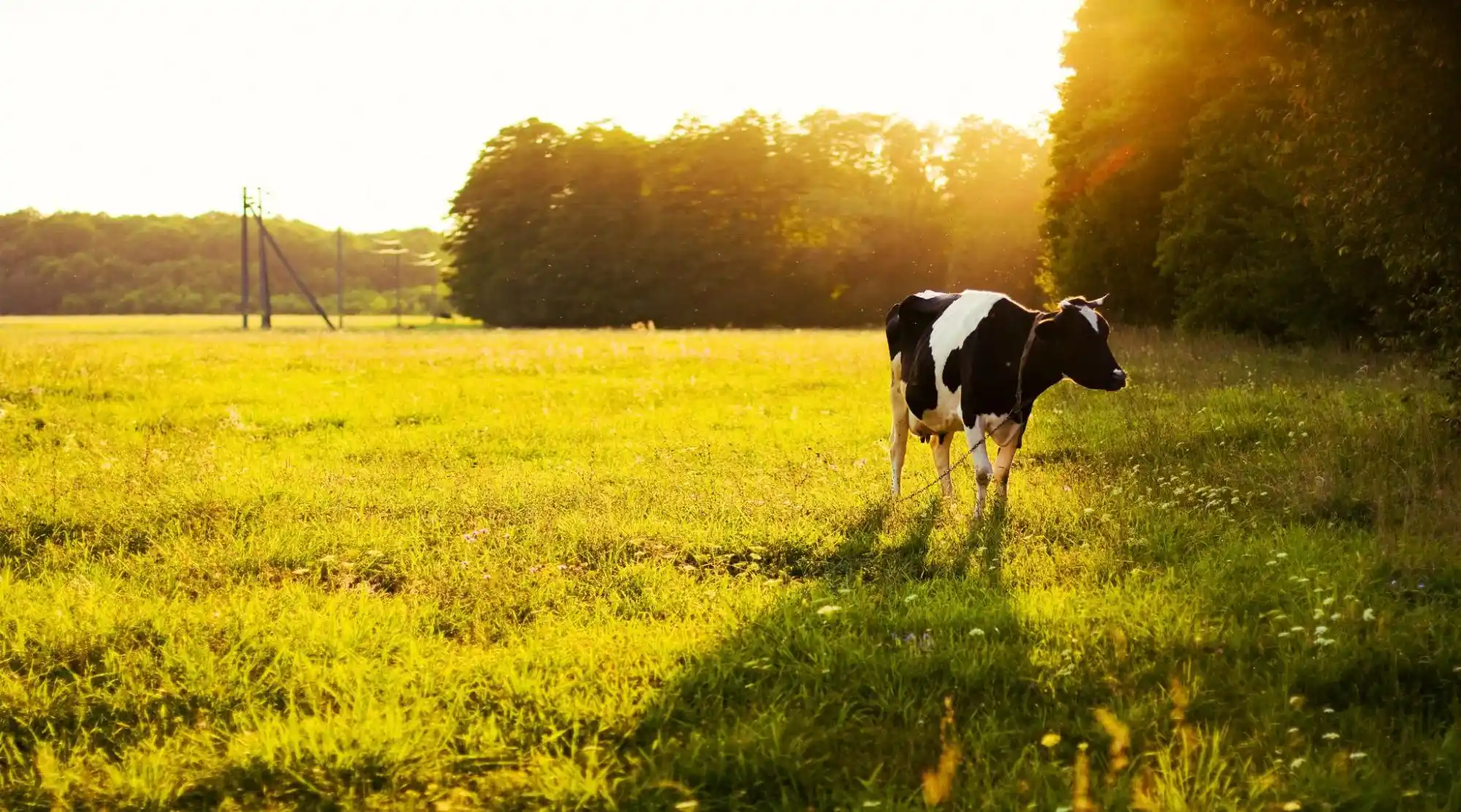
Cattle farming is one of the promising business ventures in Indonesia. Besides producing meat and milk, cattle also offer other benefits such as organic fertilizer and labor. However, starting a cattle farming business is not as easy as flipping a switch, especially for beginners. It requires thorough preparation, including an estimation of initial capital and success tips.
Check out the promising cattle farming business opportunities and tips for starting it in the following article by BFI Finance!
1. Benefits of Cattle Farming
Cattle farming not only provides benefits in terms of meat and milk production but also has other advantages that need to be considered:
1.1 As Organic Fertilizer
Cattle manure is a highly valuable source of organic fertilizer in agriculture. This organic fertilizer can increase soil fertility, improve soil structure, and enhance crop quality. Using organic fertilizer makes agriculture more sustainable and environmentally friendly.
1.2 As a Food Source
Cattle farming also benefits in providing a sustainable food source. Cattle produce high-quality meat and nutrient-rich milk. Beef is an important protein source for humans, while cow's milk contains calcium and other essential nutrients for bone health and child development.
1.3 Material for Clothing
Additionally, cattle farming provides raw materials for the textile industry. Cowhide is used to produce leather materials for making clothing, shoes, and other accessories. The leather industry has significant economic potential and provides employment for many people. Considering these benefits, cattle farming can be a promising and sustainable business option.
1.4 Transportation Tools
In rural areas, cattle are commonly used as an alternative for transporting goods. Although not as popular as horses or buffaloes for transportation, using cattle still holds considerable potential.
2. Types of Cattle for Farming in Indonesia
Several types of cattle are commonly raised in farming businesses, including:
2.1 Brahman Cattle
Brahman cattle are known for their high resistance to hot weather and drought. This is due to their excellent adaptability to hot and dry tropical environments. This adaptability is one of the Brahman cattle's advantages over other types.
Additionally, Brahman cattle are often used for meat production because their meat is flavorful and of very high quality. Farmers often choose Brahman cattle for their guaranteed meat quality and the economic benefits they provide. Thus, Brahman cattle are a highly profitable choice for farmers looking to produce high-quality meat.
2.2 Limousin Cattle
Limousin cattle come from France, specifically the Limousin region in central France. They are renowned for their excellent reputation for producing high-quality meat, making them one of the most sought-after cattle breeds in the livestock industry. With remarkable growth rates, Limousin cattle can reach ideal weights quickly, making them a top choice for efficient meat production. Their ability to efficiently convert feed into meat also makes them ideal for commercial meat farming in many countries.
2.3 Ongole Cattle
Ongole cattle originate from India, specifically the Ongole region in Andhra Pradesh. They are famous for their exceptional heat tolerance. Ongole cattle have large, sturdy, and strong bodies, with delicious meat. Their ability to adapt to hot climates makes them the top choice for meat farming in regions with high temperatures.
2.4 Bali Cattle
Bali cattle are an indigenous Indonesian breed with unique characteristics, such as backward-curving horns. This breed is typically raised by local communities for meat consumption and used in various traditional ceremonies. Additionally, Bali cattle are known for their good adaptation to local environments, allowing them to thrive and reproduce well under various natural conditions in Indonesia.
2.5 Madura Cattle
Madura cattle come from Madura Island, located east of Java, Indonesia. Madura Island is known for its traditional cattle farming, which includes various local cattle breeds, one of which is Madura cattle. Madura cattle are known for their strength and resilience, making them the primary choice for meat farming in the region. The use of Madura cattle not only meets the community's meat needs but also has significant economic value for the local population, who rely on livestock farming as their primary source of income.
3. Risks in Cattle Farming

Image Source: Freepik
3.1 Health Risks
Health risks are one of the main challenges cattle farmers face. Diseases such as anthrax, hepatitis, and poisoning can cause significant losses. For example, anthrax is a highly deadly bacterial disease that can spread quickly among animals and humans. Hepatitis can damage the liver of cattle, reducing productivity and threatening the animals' safety. Poisoning, which can occur from contaminated feed or hazardous chemicals, also poses a threat to livestock health.
To address these risks, farmers must implement regular vaccination programs, maintain clean barns, ensure the feed is of high quality and free from contamination, and regularly monitor cattle health so diseases can be detected and treated promptly before spreading widely.
3.2 Environmental Risks
Cattle farming also faces environmental risks, particularly related to unpleasant odors and manure waste. Strong odors can disrupt the surrounding community's comfort and trigger complaints. Additionally, manure waste, if not managed properly, can contaminate soil and water, posing health problems for humans.
To address odor issues, farmers can use biofiltration or biofilter technology, which can break down unpleasant odors. Managing manure waste can be done using a biogas system, which not only reduces pollution but also produces renewable energy. Moreover, cattle manure can be processed into organic fertilizer beneficial for agriculture, helping to mitigate the negative environmental impact.
3.3 Economic Risks
Economic risks in cattle farming include unforeseen costs, such as preventive and treatment costs for sick cattle and other operational expenses. Costs for prevention, such as regular vaccinations and treatments, and treatment costs if cattle get sick, can be a significant financial burden for farmers. Additionally, operational costs for transportation, such as moving cattle from one place to another, must also be carefully considered.
To reduce these economic risks, farmers need to conduct thorough financial planning, set aside emergency funds for urgent needs, and use livestock insurance that provides financial protection in case of unexpected events. Efficient management of operational and health maintenance can help reduce unnecessary costs and increase the profitability of cattle farming.
4. Tips for Starting a Successful Cattle Farming Business
4.1 Choose Superior Cattle Breeds
Selecting superior cattle breeds is crucial to ensuring the success of your cattle farming business. When choosing cattle for breeding, ensure to consider several important aspects such as high-quality genetics, prime health, and superior lineage. This way, you can ensure that the cattle can produce high-quality livestock products with high market value. Thus, your investment in selecting superior cattle breeds is expected to yield optimal results in the long term.
In addition to genetics, health, and lineage, consider other factors such as the nutrition provided to the cattle, the farming environment, and good farm management. By comprehensively considering these factors, you can ensure that the cattle have the potential for success in your farming venture. This will allow you to optimize cattle production and enhance the overall profitability of your cattle farming business.
4.2 Determine Market Segmentation
Before deciding to start a cattle farming business, it is essential to conduct a thorough analysis of the market segmentation you aim to target. By determining whether you will supply beef to local, regional, or international markets, you will better understand the needs and preferences of consumers in each of these markets. This will help you plan appropriate production and marketing strategies to ensure the success of your cattle farming business.
Understanding market segmentation is the key to determining the direction and marketing strategy of your cattle farming business. By having an in-depth understanding of the needs, preferences, and behaviors of consumers in local, regional, and international markets, you will be able to identify the most potential market segments to target. This will make it easier for you to plan cattle production that meets market demand and develop effective marketing strategies to attract consumer interest and increase sales.
4.3 Find a Spacious Empty Area
Ensure you have a spacious and adequate area to build suitable cattle barns. Cattle are animals that require ample space to move around comfortably. Additionally, having a large area will provide you with opportunities to expand your cattle farming business in the future. This way, you won't have to worry about space limitations that could hinder your business growth.
4.4 Pay Attention to Barn Design
The design of the cattle barn is crucial to ensuring the welfare and productivity of the livestock housed within it. A well-designed barn will ensure that the cattle get a comfortable environment that meets their natural needs. One of the essential aspects to consider in the design of a cattle barn is good ventilation, allowing fresh air to circulate continuously within the barn.
Additionally, adequate access to drinking water must be ensured so that the cattle do not experience dehydration. Easily accessible feeding areas are also important to ensure the cattle can consume enough feed without unnecessary competition among them. Thus, a well-designed barn will support the cattle's welfare and productivity.
4.5 Provide Balanced Feed
Balanced feed is necessary in cattle care to ensure optimal growth and production. Ensure to provide feed that contains sufficient nutrients such as protein, carbohydrates, vitamins, and minerals needed to maintain health and enhance the growth of your cattle. By providing quality feed, you can ensure that your cattle remain healthy and reach their growth potential well.
4.6 Don't Forget Quality Care
Quality care for cattle will ensure their health and welfare. Regular health care, vaccination, and good barn maintenance will help increase cattle productivity and prevent diseases that could harm your farm. Additionally, providing nutritious food and clean drinking water is crucial to maintaining the cattle's physical condition and health.
By providing good care, you will not only have healthy and productive cattle but also reduce financial losses due to poor livestock health. Therefore, investing in quality cattle care will yield positive results in the long term for your cattle farming business.
4.7 Location Away from Residential, Industrial, and Mining Areas
Choose a cattle farming location far from residential, industrial, and mining areas to minimize environmental pollution and interference with the cattle. The ideal location for a cattle farming business should have good air quality and be free from noise or vibrations from industrial activities or mining. Thus, the livestock will remain comfortable and grow well without significant external disturbances.
5. Initial Capital Estimate for Cattle Farming Business
After understanding the tips for starting a cattle farming business, you need to know the estimated capital required. The estimates are as follows:
5.1 Estimated Initial Investment Capital
Certainly, cattle farming requires substantial capital. To purchase a single cow, it can cost up to tens of millions of rupiahs. However, if the capital you spend can be rotated smoothly, the potential profits from cattle farming can be very promising.
The estimated initial investment capital and cattle farming business capital are:
- Purchase of 6 cows if the price of each calf is Rp 10 million = Rp 10 million x 6 = Rp 60 million
- Land rental for farming = Rp 4 million/year
- Construction of cattle barns = Rp 7 million
- Barn equipment and cattle care = Rp 1.5 million
TOTAL INITIAL INVESTMENT CAPITAL: Rp 60 million + Rp 4 million + Rp 7 million + Rp 1.5 million = Rp 72.5 million
5.2 Estimated Operational Costs
Besides the initial capital, there are operational costs for running a cattle farming business. These costs include the care and fattening of the cattle. The estimated monthly operational costs for cattle farming are as follows:
- Additional feed: Rp 15,000 (per day) x 30 = Rp 450,000/month
- Concentrate: Rp 100,000 (per day) x 30 = Rp 3,000,000/month
- Vaccination: Rp 15,000 (per day) x 30 = Rp 450,000/month
- Vitamins: Rp 20,000 (per day) x 30 = Rp 600,000/month
- Medicine costs: Rp 20,000 (per day) x 30 = Rp 600,000/month
- Gasoline, electricity, water, and other monthly bills = Rp 1,000,000/month
- Cow breeding costs: Rp 150,000/month
- Other expenses: Rp 300,000/month
TOTAL OPERATIONAL COSTS: Rp 450,000 + Rp 3,000,000 + Rp 450,000 + Rp 600,000 + Rp 600,000 + Rp 1,000,000 + Rp 150,000 + Rp 300,000 = Rp 6,550,000
So, the total initial capital is:
Rp 72,500,000 (Initial Investment) + Rp 6,550,000 (Operational) = Rp 79,050,000
5.3 Estimated Profits
Generally, cattle farming can be harvested within 6 to 12 months. If using small calves, cattle farming can take up to 3 years. Here is the estimated revenue potential from selling ready-to-sell cattle after 6 months of care, based on the previous capital calculation:
- Selling price of 1 cow at Rp 25,000,000, selling 5 cows = Rp 25 million x 5 cows = Rp 125 million
- Cow manure per month, 600 kg from 5 cows = 3,000 kg
- Income from estimated manure price per kg at Rp 2,000 = Rp 2,000 x 3,000 kg = Rp 6,000,000
TOTAL REVENUE: Rp 125 million + Rp 6 million = Rp 131 million
From the initial capital of Rp 79,050,000, the total potential profit you could earn from the cattle farming business over 6 months is:
Rp 131,000,000 - Rp 79,050,000 = Rp 51,950,000
Dividing it monthly, the income from this business is approximately Rp 8,658,000.
By paying attention to these aspects, you will be better prepared to build a successful cattle farming business and achieve your goals. So, are you ready to start your cattle farming business? Learn about other promising business opportunities in the latest articles from BFI Finance!
If you are interested in starting a cattle farming business but need additional capital, BFI Finance is your answer. BFI Finance is a financing company that provides multi-purpose loans with collateral for motorbike BPKB, car BPKB, and house or shophouse certificates for your various needs.