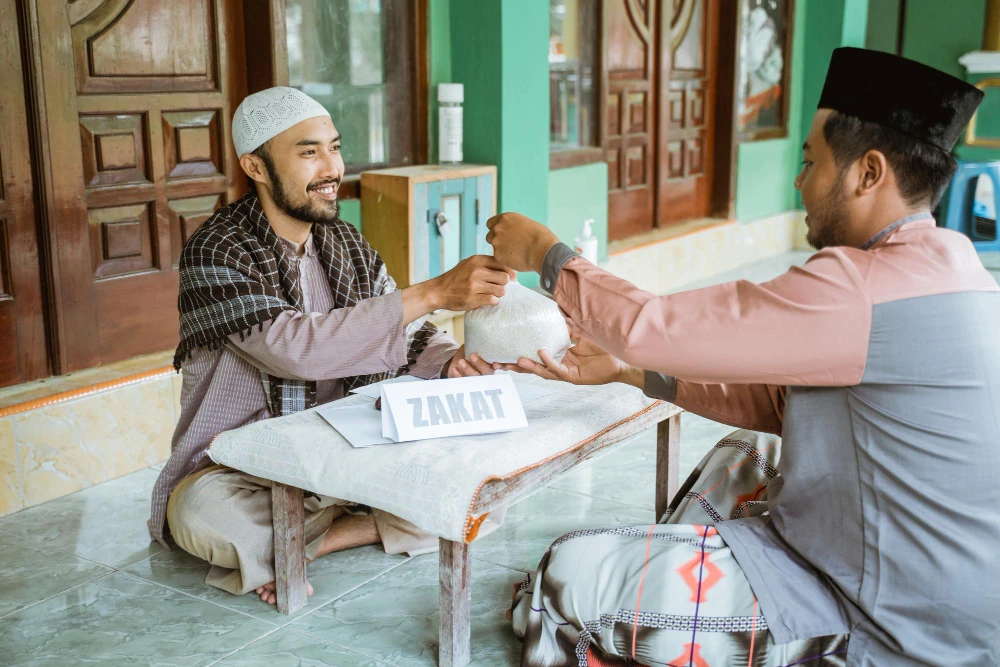
Paying zakat is not merely an obligation, but also a trust that must be distributed properly. Unfortunately, many people still do not fully understand who is entitled to receive zakat, which can lead to misdirected distribution.
Such mistakes can affect the validity of zakat and the primary purpose of this act of worship. Therefore, every Muslim needs to understand the procedures for paying zakat fitrah and also know who is entitled to receive zakat in accordance with Islamic law.
So, who exactly has the right to receive zakat according to Islamic teachings? Does everyone in need automatically qualify as a zakat recipient? To avoid mistakes in zakat distribution, read the full explanation in this article so that the zakat you give is truly valid, well-targeted, and full of blessings.
List of People Entitled to Receive Zakat
In Islam, those who are entitled to receive zakat are called mustahik, namely individuals or groups who meet certain criteria based on the Qur’an. Each category of mustahik has different conditions and needs. Here is the complete explanation:
1. Fakir (The Destitute)
Fakir are people who are in extremely poor economic conditions and almost have no income at all. They are unable to fulfill basic daily needs such as food, clothing, and shelter.
Their condition is generally more severe than that of the poor (miskin), as they are almost completely unable to earn a living due to age, health issues, or physical limitations.
2. Miskin (The Poor)
Unlike fakir, the poor still have some income, but it is not sufficient to meet their basic living needs properly. They still require assistance to survive and improve their quality of life.
Although they may be able to work or have a source of income, it is not proportional to their essential needs. Therefore, the poor are included among those entitled to receive zakat so their economic conditions can be supported.
3. Mualaf (New Converts)
Becoming a mualaf is not an easy process. A mualaf is someone who has newly embraced Islam or is still strengthening their faith, often facing social challenges, financial pressure, and even opposition from their surroundings.
Zakat is given to mualaf as a form of support and reassurance so that their faith becomes stronger. This assistance also helps them adapt to a new environment, cope with social pressure, and meet their basic needs during this transitional period.
4. Amil Zakat (Zakat Administrators)
Behind the orderly and well-targeted distribution of zakat, there is the important role of amil zakat. They are individuals or institutions responsible for managing zakat, from collecting and recording funds to distributing them to eligible recipients.
Because of this significant responsibility and trust, Islam designates amil zakat as one of the groups entitled to receive zakat. This right is granted as compensation for the duties they perform, even though economically they may be well-off.
5. Riqab (Those in Bondage)
Riqab refers to people who are in a state of bondage and have lost their personal freedom. In the past, this term referred to slaves who needed to be freed.
In modern times, the concept of riqab has expanded to include individuals trapped in modern forms of slavery, exploitation, human trafficking, or severe oppression that deprives them of their freedom.
Through zakat, Islam provides a means to help free them from inhumane conditions and to restore their dignity, honor, and basic human rights.
6. Gharim (Those in Debt)
Not everyone is in debt because of an extravagant lifestyle. Gharimin are those who are burdened with debt due to urgent necessities, such as basic living expenses, medical costs, education, or social obligations that benefit the public.
When their financial condition does not allow them to repay these debts, the burden can become overwhelming, both financially and mentally. Therefore, Islam includes gharimin among those entitled to receive zakat, so they can be helped out of debt and return to a more stable and peaceful life.
7. Fisabilillah (In the Cause of Allah)
Fisabilillah are those who dedicate their time, energy, and thoughts to striving in the cause of Allah for the benefit of the community and the greater good.
This struggle is not limited to warfare, but also includes da’wah activities, Islamic education, the spread of virtuous values, and socio-religious efforts that bring widespread benefit. Zakat is allocated to this group as support so that their efforts can continue sustainably and have a positive impact on society.
8. Ibnu Sabil (The Wayfarer)
Another group entitled to receive zakat is ibnu sabil. Ibnu sabil refers to travelers who are on a long journey and face difficulties because they have run out of provisions or lost access to financial resources.
In such circumstances, they are unable to continue their journey, even if they are financially well-off in their place of origin. This emergency situation during travel qualifies them as zakat recipients so they can safely continue their journey.
That is the explanation of the categories of people entitled to receive zakat. Understanding who is eligible is an important step to ensure that zakat is distributed according to Islamic law and truly counts as an act of worship. By giving zakat to the rightful recipients, you contribute to real social welfare.
In addition to fulfilling the obligation of zakat, managing finances in accordance with Sharia principles is also essential to bring blessings into every financial plan. For financing needs aligned with Islamic values, BFI Finance offers Sharia Financing services through its Sharia Business Unit (UUS) or BFI Finance Syariah, using contracts that comply with Sharia regulations.
All BFI Finance Syariah services are licensed and supervised by the Financial Services Authority (OJK), ensuring a safe and transparent process. Now, managing your finances while fulfilling your Sharia obligations can go hand in hand with #JauhLebihTenang together with BFI Finance Syariah.