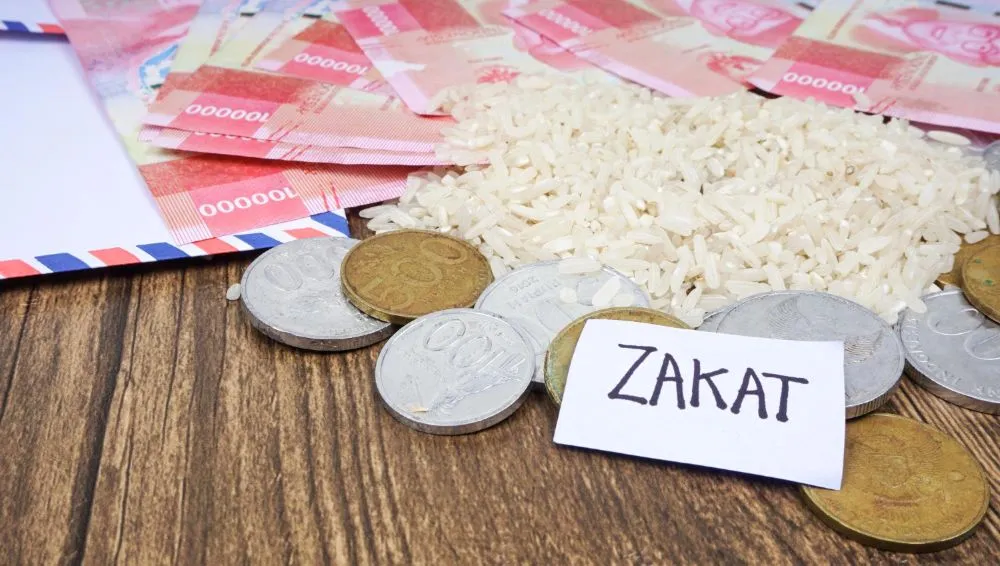
For Muslims, zakat is not merely an obligation—it is a powerful way to share blessings and support those in need. By fulfilling it, you help ease the burden of the underprivileged while contributing to social and economic balance within the community.
So, how many types of zakat are there? In general, zakat in Islam is divided into two main categories: zakat fitrah and zakat mal. Each type has its own rules, requirements, and nisab (minimum threshold) that every Muslim should understand. Let’s explore the complete explanation below.
What Is Zakat?
According to the book Fikih Sunnah Jilid 5 by Sayyid Sabiq, the word zakat originates from the Arabic word zaka, meaning pure, good, blessed, growing, and developing. It is called zakat because it carries the hope of gaining blessings, purifying the soul, and cultivating goodness in life.
The meaning of “growth” reflects how zakat increases and develops wealth while multiplying rewards for those who fulfill it. Meanwhile, the meaning of “purity” signifies that zakat cleanses the soul from sin, wrongdoing, and falsehood.
The Qur’an states:
“Take charity from their wealth in order to purify and sanctify them.” (Qur’an 9:103)
In terminology, al-Mawardi in his book al-Hâwî defines zakat as a specific portion taken from specific wealth according to specific rules and given to specific recipients.
According to Indonesia’s Minister of Religious Affairs Regulation No. 52 of 2014, zakat is wealth that must be issued by a Muslim or Muslim-owned business entity and distributed to eligible recipients in accordance with Islamic law.
Requirements for Paying Zakat
Zakat becomes obligatory when certain conditions established in Islamic law are met. These conditions apply to both the payer (muzakki) and the wealth subject to zakat (for zakat mal).
General Requirements:
-
Muslim
-
Free (not enslaved)
-
Has reached puberty
-
Mentally sound
-
Owns wealth that has reached the nisab
Specific Requirements for Zakat Fitrah:
-
Muslim
-
Alive during Ramadan, particularly before Eid al-Fitr
-
Possesses excess basic needs for oneself and dependents on the eve and day of Eid
Requirements for Wealth Subject to Zakat Mal:
-
Reaches the nisab
-
Fully owned
-
Lawfully earned
-
Free from debts that reduce nisab
-
Has passed one lunar year (haul), except for agricultural produce, fisheries, forestry products, income zakat, plantations, and discovered treasure (rikaz)
Types of Zakat in Islam
Understanding the difference between zakat fitrah and zakat mal ensures accurate fulfillment of this religious duty.
1. Zakat Fitrah
Zakat fitrah is mandatory for every Muslim—male or female, young or old—before Eid al-Fitr. It purifies the soul after completing Ramadan fasting and helps the poor celebrate Eid with dignity.
The amount of zakat fitrah is generally equivalent to 2.5 kg or 3.5 liters of staple food, such as rice. It may also be paid in cash equivalent to the local staple food price and must be paid before the Eid prayer begins.
2. Zakat Mal
Zakat mal applies to wealth or assets owned by a Muslim once they reach the nisab and complete one lunar year (haul). The standard rate is 2.5% of total net assets.
Zakat mal is typically paid once a year after wealth meets the minimum threshold and ownership period.
According to Law No. 23 of 2011 on Zakat Management (Article 4 Paragraph 2), zakat mal applies to nine categories of assets:
-
Trade and commerce
-
Industry
-
Mining
-
Income and services
-
Discovered treasure (rikaz)
-
Livestock and fisheries
-
Money and securities
-
Gold, silver, and other precious metals
-
Agricultural, plantation, and forestry products
How to Calculate Zakat
Zakat calculation depends on the type of zakat and the total wealth owned.
1. Zakat Mal Calculation
Zakat mal is calculated at 2.5% of net assets that have reached nisab and haul. Net assets include gold, silver, business profits, and savings, minus due debts.
Simple Formula:
(Total Assets – Due Debts) × 2.5%
Example:
-
Gold: 85 grams (equivalent to Rp238,000,000)
-
Savings: Rp50,000,000
-
Due debts: Rp15,000,000
Calculation:
(Rp238,000,000 + Rp50,000,000 – Rp15,000,000) × 2.5%
= Rp273,000,000 × 2.5%
= Rp6,825,000
Zakat can be distributed through official zakat institutions or directly to eligible recipients (mustahik).
2. Zakat Fitrah Calculation
Zakat fitrah is paid at 2.5 kg of staple food per person. In Indonesia, this is typically rice. However, in other regions, it may be corn, wheat, sago, or tubers based on local consumption habits.
If paid in cash, the amount equals the price of 2.5 kg of rice in your area.
Example:
If rice costs Rp14,000 per kg:
2.5 kg × Rp14,000 = Rp35,000 per person
For a family of four:
2.5 kg × Rp14,000 × 4 = Rp140,000
Understanding the types of zakat in Islam—from zakat fitrah to zakat mal—along with their rules and calculations, helps you fulfill your religious obligations properly. More importantly, it ensures that the wealth you distribute brings blessings and meaningful impact to others.
By recognizing the differences and requirements of each type of zakat, you can manage your finances wisely while planning your worship optimally. Beyond fulfilling zakat obligations, adopting sharia-based financial management is also an important step toward peace of mind in every financial decision.
For financing solutions aligned with Islamic principles, BFI Finance offers Sharia Financing services through its Sharia Business Unit (UUS), known as BFI Finance Syariah, with contracts that comply with Islamic law.
BFI Finance is licensed and supervised by Indonesia’s Financial Services Authority (OJK), ensuring transparent and trustworthy processes. Now, you can manage your finances without neglecting your obligations—and do so with greater peace of mind alongside BFI Finance Syariah.