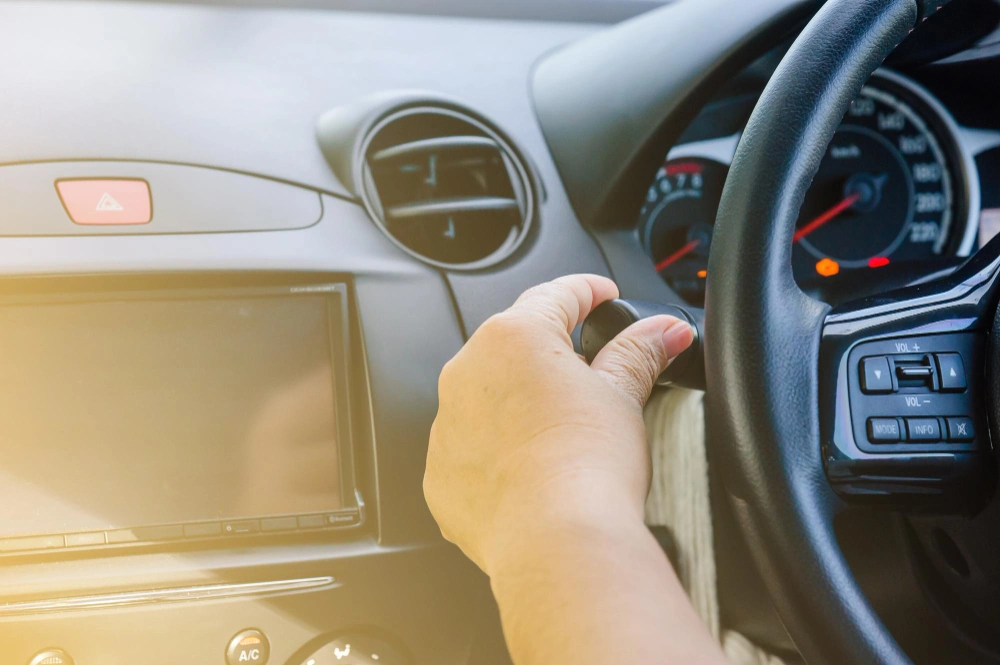
Taking care of your car so it remains comfortable to use is important for vehicle owners, including through regular car servicing. One simple habit that many people do before traveling is warming up the car engine.
By turning on the engine for a short time, the engine has the opportunity to work gradually before the car is driven. Regular warm-ups can also help support engine performance after servicing. This allows the oil to circulate properly so that engine components do not immediately operate in a cold condition.
So, how many minutes should you warm up your car? To find the answer, check out the complete information in this article.
Benefits of Warming Up Your Car
Warming up a car is not just a habit before driving. This simple step plays an important role in maintaining engine condition and ensuring comfort when the car is used.
When the engine is warmed up, various components inside it can work gradually and become more ready for use. Here are some benefits of warming up your car that you should know:
1. Maintaining Engine Performance
Warming up the engine for a few minutes allows engine oil to flow throughout all parts of the engine. This ensures that every component receives sufficient lubrication before the car is used. This is especially important if the car is rarely used, as oil tends to settle when the engine has been off for a long time.
When the engine is warmed up, oil circulation becomes smoother so the engine does not operate in a dry condition. This helps reduce friction between engine parts that could cause damage if the car is used immediately. Whether the car has a manual or automatic transmission, the engine does not need to be warmed up for too long. A short warm-up is enough to stabilize the engine and prepare it for use.
2. Minimizing Damage to Engine Components
When a car engine is still cold, the internal parts have not yet received oil evenly. If the car is used immediately, these components may rub against each other and wear out faster.
By warming up the engine first, the oil has time to flow to all important parts of the engine. This helps reduce the risk of damage that could actually be avoided. Warming up the engine becomes a simple daily maintenance habit to keep the engine running well and lasting longer.
3. Maintaining Exhaust System Efficiency
When the car is warmed up, the engine temperature gradually increases. This condition allows the fuel and exhaust systems to work better from the start.
Warming up the engine helps the fuel combustion process become more complete. As a result, the exhaust gases released are not excessive and are cleaner. By knowing the proper duration to warm up your car, you can help maintain optimal exhaust system performance and make it more environmentally friendly.
4. Improving Fuel Efficiency
When the engine is not yet warm, it does not operate at a stable condition. In this situation, the car tends to consume more fuel because the combustion process is not yet optimal. If this habit continues, it can lead to higher fuel consumption.
By warming up the car briefly before use, the engine becomes more prepared and works more efficiently. As a result, fuel usage can be more economical. This is why warming up the engine is important, especially if the car is often used for short trips.
5. Avoiding the Risk of Engine Damage in Cold Weather
In cold weather, engine oil usually becomes thicker and does not flow smoothly right away. If the engine is used immediately, the car may feel heavy or even difficult to start.
By warming up the car first, the oil becomes thinner and spreads evenly throughout the engine. This helps maintain stable oil pressure so that minor engine problems can be avoided.
To keep your car in prime condition, also make it a habit to pay attention to the indicator lights on the dashboard and regularly check the engine condition. This way, your car’s performance remains optimal even when used in low temperatures.
How Long Should You Warm Up Your Car?
The time needed to warm up a car actually does not have to be very long. For older cars, engine warm-up usually takes around 10–15 minutes. However, for cars with fuel injection systems, the required time is much shorter, around 30 seconds to 1 minute. In fact, warming up the car for about 5 minutes is already sufficient to prepare the engine for use.
So, what is the ideal duration to warm up a car? Essentially, warm it up until the engine feels more stable. You can notice this when the engine RPM becomes steady and no longer fluctuates as it did when the engine was first started. After that, the car is safe and comfortable to use right away.
Factors That Affect Car Warm-Up Duration
The duration for warming up a car is not always the same for every vehicle. Several factors can cause the warm-up time to differ from one car to another. Engine condition, vehicle age, and how frequently the car is used all play a role.
To avoid mistakes, here are several factors that influence how long you should warm up your car before driving:
1. Type of Car Engine
One of the main factors to consider is the type of engine because each engine type has different warm-up needs before being used. Cars with newer technologies, such as fuel injection, usually do not need to be warmed up for long. This is different from older cars that still use carburetors, which require more time to reach stable performance.
2. Car Age
As a car gets older, the engine condition is usually not as optimal as when it was new. Some components may have experienced wear, requiring more time to adjust when the engine is started.
In older cars, oil also needs slightly more time to flow and lubricate all engine parts. Therefore, the engine warm-up should be a bit longer compared to newer cars so the engine can operate more stably and avoid potential problems.
3. Frequency of Car Use
Cars that are used frequently usually have engines that are more ready to operate because the oil is still circulating well. Therefore, the warm-up time does not need to be long—just briefly before starting your trip.
On the other hand, if the car is rarely used, the oil tends to settle and the engine stays cold for a longer time. In this case, the engine should be warmed up a little longer so the oil can circulate properly and the engine can perform optimally when driven.
That is the explanation regarding the commonly asked question about how many minutes you should warm up your car and the factors that influence it. By understanding this, you can warm up your car more appropriately according to the condition of your vehicle.
Keeping your car in excellent condition is not only about knowing how long to warm up the engine or performing daily maintenance. Over time, your car may also require additional maintenance or certain repairs that involve significant costs.
To ensure car maintenance can continue without disrupting other needs, a reliable financing solution can help. BFI Finance offers financing options with collateral such as motorcycle BPKB, car BPKB, or property certificates, including house, shop house, or office unit certificates.
BFI Finance services are licensed and supervised by the Financial Services Authority, ensuring a transparent process. With proper planning, you can focus on maintaining your car for daily comfort without worrying about financial management.
Managing any financial needs can be done more calmly and strategically because #SelaluAdaJalan with BFI Finance to help meet your financial needs.