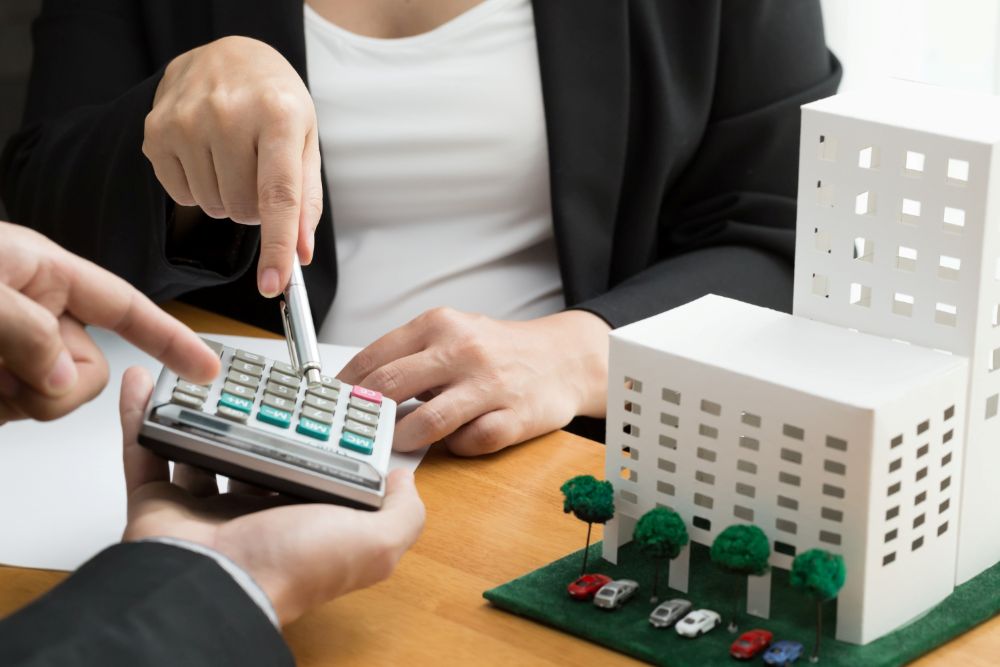
Understanding how to assess property value is essential before buying, selling, or investing in assets such as houses, land, or apartments. Property prices are not determined arbitrarily—they are established through a valuation process that considers various factors to produce an objective market value estimate.
The results of a property valuation serve as a reference for sellers, property agents, and investors in determining appropriate buying or selling prices. So, how do you assess property value and what factors influence it? Let’s explore in this article.
The Importance of Knowing Property Value
Property valuation is the process of determining the market value of a property in a professional manner. This value reflects the estimated price that could be achieved in a fair transaction between a willing buyer and seller, without any pressure from either party.
For property owners, understanding property value is crucial. It helps in setting a reasonable selling price, determining rental rates aligned with market standards, and understanding tax obligations. Additionally, property valuation becomes a key reference during buying and selling transactions, auctions, or asset transfers. By understanding property value, owners can make more informed financial decisions and maximize the potential returns from their assets.
Factors That Influence Property Prices
Property prices are not set randomly. Several factors influence their market value. Here are some of the key factors:
1. Location
Location is the most important factor. Properties located in city centers or near essential facilities—such as public transportation, business districts, educational institutions, and tourist attractions—tend to have higher value. Areas with planned infrastructure development also have strong potential for price appreciation.
2. Infrastructure and Accessibility
The availability of roads, bridges, public transportation, and public facilities like hospitals, markets, and schools significantly affects property value. The easier a property is to access and the better it is connected to activity centers, the higher its price tends to be.
3. Facilities and Surrounding Environment
A safe, clean, and comfortable environment increases property attractiveness. Facilities such as parks, swimming pools, fitness centers, and gated security systems also contribute to higher property value.
4. Legal Status and Documentation
Complete legal documentation is a critical factor in determining property value. Properties with freehold ownership certificates (SHM) generally have higher value compared to leasehold titles (HGB) or sale and purchase deeds (AJB), as they offer stronger ownership rights and are easier to use as collateral.
5. Building Condition
New, well-maintained buildings with modern designs typically command higher prices. On the other hand, older or damaged buildings tend to decrease in value, even if located in strategic areas.
6. Supply and Demand
As with basic economic principles, property prices increase when demand exceeds supply in the market.
7. Macroeconomic Conditions
Economic factors such as inflation, interest rates, exchange rates, and national economic growth can influence property prices. When the economy grows and purchasing power increases, property prices generally rise.
8. Market Sentiment and Perception
Public perception of an area’s potential can impact property prices. For example, plans for new toll roads or train stations often drive up land prices in surrounding areas.
9. Rental Potential and Passive Income
Properties that generate rental income—such as apartments, shophouses, or condotels—usually have higher value because they are considered productive assets.
10. Trends and Lifestyle
Changing lifestyles also influence the property market. Today, many younger buyers prefer practical, modern homes equipped with technology such as smart home features, making such properties more premium-priced.
Tips for Assessing Property Value
Assessing property value should not be done carelessly. Here are some important tips to ensure a more accurate estimation:
1. Consult a Professional
One of the best ways to assess property value is by consulting a professional appraiser. These experts provide estimates and opinions on the economic value of a property. In Indonesia, appraisers are affiliated with the Indonesian Society of Appraisers (MAPPI).
2. Check Price per Square Meter
Another method is to evaluate the size of the property, including land area and building size, then compare it with the average price per square meter in the same location.
3. Compare with Similar Properties
A simple method is to compare the property with similar ones in nearby locations. Pay attention to specifications such as number of bedrooms, bathrooms, and floors, as these affect value.
4. Conduct Market Analysis
You can also assess property value by analyzing overall market conditions. This requires understanding property trends as well as economic, investment, and policy factors that influence pricing.
5. Evaluate Strengths and Weaknesses
Every property has its pros and cons. Properties with more advantages tend to maintain or increase in value, while those with significant drawbacks or damage may experience price declines.
How to Calculate Property Value
To estimate property value, several commonly used methods can be applied, including NJOP, rental yield, and capitalization rate.
1. Based on NJOP (Tax Object Sales Value)
This is one of the simplest methods. It uses government-assessed land and building values in a specific area.
Example:
- Land area: 90 m² × Rp2 million = Rp180 million
- Building area: 70 m² × Rp3 million = Rp210 million
Estimated total property value: Rp390 million
2. Based on Average Rental Price
This method estimates property value based on annual rental income, typically around 3–5% of the property value.
Example:
- Annual rent: Rp36 million
- At 3% → Rp1.2 billion
- At 5% → Rp720 million
Estimated property value: Rp720 million – Rp1.2 billion
3. Capitalization Rate (Cap Rate)
This method compares return on investment (ROI) with other investment instruments.
Example:
- Annual rental income: Rp168 million
- Expenses: Rp76 million
- Net income: Rp92 million
Cap rate calculation:
- Rp92 million ÷ Rp3 billion = 3.06%
This means the ROI is lower compared to other investments offering higher returns, so investors may consider alternative options or improving rental income.
Understanding how to assess property value and the factors that influence it helps you determine a more objective price—whether for buying, selling, or investing.
Property is a high-value asset that can also be used as collateral when you need significant funds. Without selling it, you can apply for financing secured by property certificates such as houses or commercial buildings through BFI Finance. They also offer financing options secured by motorcycle and car ownership documents (BPKB).
BFI Finance is licensed and supervised by the Financial Services Authority (OJK), ensuring that all loan processes are transparent and comply with regulations. So, there’s no need to hesitate—apply for financing that suits your needs today, because #SelaluAdaJalan with BFI Finance.