Electric vehicles are rapidly gaining popularity in Indonesia, with a growing range of models and technologies available — from BEV and HEV to PHEV. But before you make the leap, it's essential to weigh the advantages and disadvantages of electric cars so you can make a well-informed decision.
On one hand, electric cars are celebrated for being eco-friendly and delivering instant torque. On the other hand, charging infrastructure across the country remains limited. This is precisely why many people are still torn between going electric or sticking with their trusty gasoline-powered vehicle.
So, to help you avoid making the wrong choice, here's a complete breakdown of the pros and cons of electric cars — read until the end!
Pros of Electric Cars
As interest in electric vehicles continues to surge, their advantages are becoming harder to ignore. Here are the key benefits worth considering before you buy:
1. Environmentally Friendly
One of the biggest reasons people are switching to electric cars — both in Indonesia and around the world — is their positive impact on the environment. Electric vehicles produce zero tailpipe emissions, helping to significantly reduce air pollution, especially in densely populated urban areas. Unlike conventional cars that rely on fuel combustion, electric cars are cleaner, greener, and more comfortable to drive.
2. Lower Tax Costs
Electric cars come with attractive government tax incentives. In DKI Jakarta, for instance, EV owners benefit from BBNKB exemptions and a reduced PKB rate of only around 10%. This means annual vehicle tax can cost less than IDR 1 million — a substantial saving compared to conventional vehicles.
3. Easier and More Affordable Maintenance
With fewer moving parts and no need for engine oil, maintaining an electric car is far simpler and more cost-effective. That said, EVs still require routine care — particularly for fast-moving components like brake pads — to ensure safety and performance over time.
4. Exempt from Odd-Even Traffic Restrictions
Electric car owners in Jakarta enjoy a major perk: they're fully exempt from the city's odd-even traffic restrictions, meaning you can drive every day of the week without worry. This benefit is regulated under DKI Jakarta Governor's Regulation No. 88 of 2019 as part of the government's support for electric vehicle adoption.
5. Convenient Charging
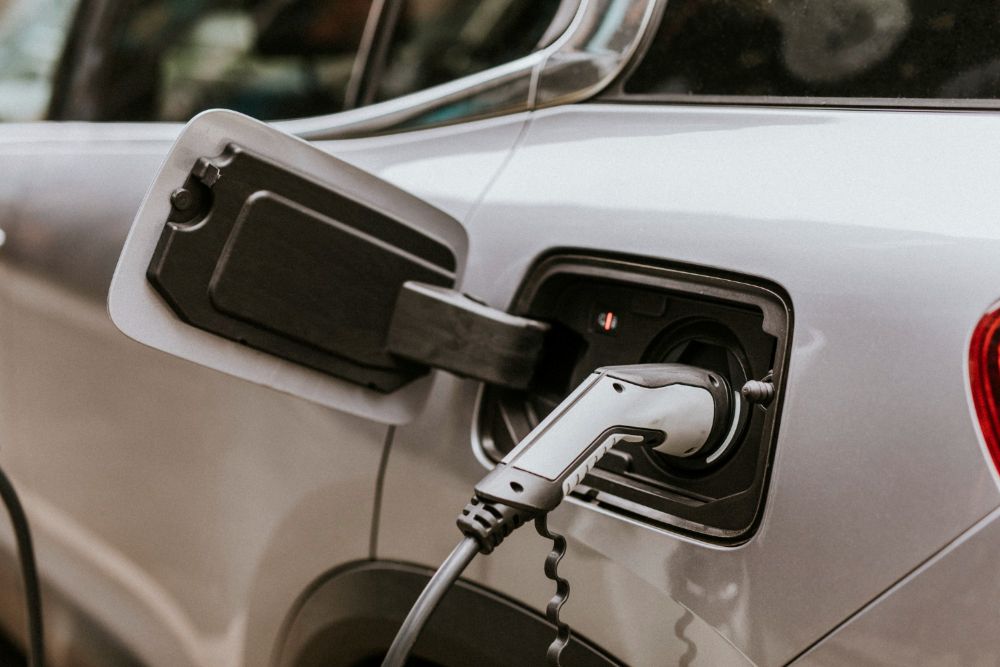
Charging an electric car is as simple as plugging it into a power source — and it's far more affordable than filling up with gasoline. To put it in perspective, charging enough battery for roughly 350 km costs only around IDR 130,000–150,000, compared to up to IDR 500,000 for a conventional car. Better yet, you can charge at home overnight without ever having to queue at a gas station.
6. Lower Fuel Costs
Electric cars are significantly more energy-efficient. Around 85–95% of electrical energy is converted into mechanical energy, while conventional combustion engines utilize less than one-third of the fuel they consume. The result? Considerably lower running costs over the long term.
7. Instant Torque and Responsive Performance
One of the most exciting features of an electric car is its instant torque. The moment you press the accelerator, power is delivered immediately — making the car feel agile and responsive, especially in stop-and-go traffic. This is a stark contrast to internal combustion engines, which need to build up RPM before reaching peak torque.
Cons of Electric Cars
Despite all the impressive advantages, electric cars come with their own set of challenges. Here are the drawbacks you need to be aware of:
1. High Purchase Price
Electric cars in Indonesia are still relatively expensive for the average buyer. Even the most affordable models start at around IDR 200 million — and they tend to target the commercial vehicle segment. Popular models like the Hyundai Kona or Ioniq are priced at around IDR 600 million, putting them out of reach for many consumers.
2. Costly Battery Replacement
The battery is the most expensive component of an electric car. While most come with warranties of up to 8 years or around 160,000 km, battery performance naturally degrades over time and will eventually need replacing — at a significant cost. Though large-scale battery replacements are rare for now given the relatively young age of EVs in Indonesia, it's a cost that buyers should prepare for down the line.
3. Limited Charging Infrastructure
The availability of public charging stations remains one of the biggest hurdles for EV adoption in Indonesia. While home charging is possible, a wide-spread network of public chargers is critical for everyday convenience. The government, through PLN, is actively expanding the number of public EV charging stations (SPKLU) to address this growing need.
4. Longer Charging Times
Charging an electric car simply takes more time than a quick stop at the gas station. Most EV owners get into the habit of charging overnight. Using a wall charger typically takes around 5–6 hours, while fast charging at an SPKLU takes about 1–2 hours — still much longer than the 10–15 minutes it takes to refuel a conventional car.
5. Limited Driving Range
Range anxiety is real. On a single full charge, most electric cars can cover approximately 150–500 km — a range that's noticeably lower than conventional vehicles, which can travel up to 800 km on a full tank. This makes careful planning essential, especially for long-distance travel.
6. Battery Waste and Environmental Impact
While electric cars don't produce exhaust emissions, they're not entirely without environmental impact. The production of lithium-ion batteries requires large amounts of energy and raw materials, which indirectly contributes to carbon emissions. Battery disposal and recycling also remain ongoing environmental concerns.
Ready to Go Electric?
Those are the key pros and cons of electric cars to guide your decision before buying. By understanding both sides, you can make a smarter, more confident choice that aligns with your needs, lifestyle, and financial situation.
Beyond being a reliable mode of transportation, an electric car is also a high-value asset — which means your electric car's BPKB can be used as collateral to access quick financing through BFI Finance's electric car financing solution.
In addition, BFI Finance also offers a range of other financing options, including motorcycle BPKB, car BPKB, and property certificates (house/shophouse), tailored to meet your various financial needs.
With over 40 years of experience, fully licensed, and supervised by the Financial Services Authority (OJK), BFI Finance is your trusted financial partner. Whatever your goals, #ThereIsAlwaysAWay with BFI Finance.