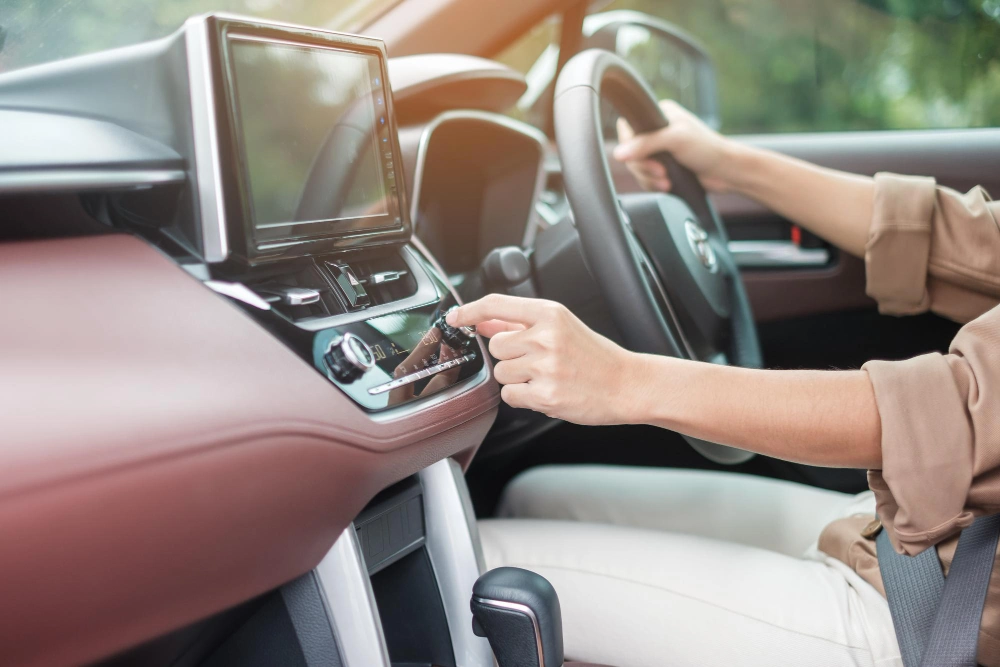
Automatic cars are now widely chosen by people in urban areas because they are more practical and comfortable. Without needing to worry about gears or a clutch, driving simply involves controlling the gas and brake pedals.
Even though it is easier to drive, it is still important to understand the basics so that you can drive safely and efficiently. Below is a step-by-step guide on how to drive an automatic car for beginners so you can feel more confident on the road. Read this article until the end for complete tips on mastering an automatic car easily.
Basic Features and Components of an Automatic Car
Automatic transmission cars operate without a clutch because they use a component called a torque converter. This component automatically shifts gears according to the car’s speed and load, so the driver does not need to change gears manually.
The transmission lever in an automatic car usually contains letters such as P, R, N, D, and L, each with its own function:
-
P (Parking): Used for parking and locking the wheels so the car does not move.
-
R (Reverse): Used to move the car backward.
-
N (Neutral): Neutral position, usually used when stopping briefly, such as at a red light.
-
D (Drive): Used for driving forward; the transmission automatically adjusts the gears based on engine performance.
-
2 and L (Low Gears): Provide greater power, suitable for steep inclines or declines.
Some cars also include additional modes such as M (Manual) or S (Sport) that allow semi-manual gear control according to the driver’s needs.
Preparation Before Driving an Automatic Car
Before starting an automatic car, there are several important things to check to ensure a safer and more comfortable drive:
-
Make sure the transmission lever is in “P” (Parking) or “N” (Neutral). The car will not start if the lever is in another position.
-
Press the brake pedal before starting the engine. Some automatic cars cannot start without the brake being pressed.
-
Check the surroundings of the car. Make sure there are no people, animals, or objects blocking the vehicle when it starts moving.
-
Adjust your seat position and mirrors comfortably and upright so you have clear visibility and optimal pedal control.
-
Fasten your seat belt properly for safety during the drive.
How to Drive an Automatic Car
Driving an automatic car is not just about pressing the gas and brake pedals. Understanding how to use the car properly in different situations is also important. Here is a step-by-step guide to help you feel more confident when driving.
1. How to Start Driving an Automatic Car
To start driving smoothly and safely, follow these steps:
-
Press the brake pedal, turn the key or start button, and wait until the dashboard indicators turn off to ensure the engine is ready.
-
Move the transmission lever from “P” or “N” to “D” while keeping the brake pedal pressed.
-
Slowly release the brake so the car begins to move forward gently, then press the gas pedal gradually.
-
Control speed using your right foot on the gas and brake pedals.
-
Use “L” or “2” mode when driving on steep roads to maintain stable power and prevent constant gear shifting.
2. How to Reverse an Automatic Car
Before reversing an automatic car, follow these steps to ensure safety:
-
Make sure the car is completely stopped and the transmission lever is in “P” or “N”.
-
Press the brake pedal firmly.
-
Move the lever to “R” (Reverse).
-
Check your mirrors and surroundings to ensure it is safe.
-
Slowly release the brake so the car moves backward gradually.
-
Do not rely only on mirrors—also look directly behind you to avoid hidden objects or people.
3. How to Drive an Automatic Car Uphill
Mastering this technique is important so you can drive uphill safely and comfortably without the car rolling backward:
-
Use your right foot to alternate between the gas and brake pedals.
-
When stopping on an incline, hold the brake with your right foot.
-
Quickly move your right foot from the brake to the gas pedal.
-
Press the gas pedal gently to start moving.
-
Make sure the car does not roll backward while switching from brake to gas.
4. How to Drive an Automatic Car Downhill
When going downhill with an automatic car, you can use the “L” position to help control the car’s speed. This technique reduces the need to press the brake pedal frequently, making the drive safer and more comfortable.
In addition, some automatic cars are equipped with a Hill Start Assist feature that prevents the car from rolling backward when starting on a steep incline. This allows you to press the gas pedal without worrying about the car moving backward.
5. How to Stop in Heavy Traffic
When driving in traffic or stopping on the road, follow these tips:
-
If stopping briefly, press the brake pedal while remaining in “D”.
-
If stopping for a longer time, shift the lever to “N” to reduce strain on the engine and transmission system.
-
When parking completely, use “P” so the wheels lock and the car stays in place.
Common Mistakes Beginner Drivers Make
If you are new to driving an automatic car, avoid the following mistakes to maintain safety and reduce the risk of vehicle damage:
-
Avoid using both feet for the gas and brake pedals. Use only your right foot so the car does not press both pedals at the same time.
-
Always make sure the car comes to a complete stop before shifting the lever from “D” to “R” or vice versa. Forcing the shift while the car is moving can damage the transmission.
-
When on an incline, do not rely on the gas pedal to hold the car. Use the handbrake to prevent the engine and transmission from overheating.
-
After shifting the transmission lever, wait about 1–2 seconds before moving. This allows the system to engage properly and helps prevent damage.
Tips for Driving an Automatic Car
If you are just learning to drive an automatic car, keep the following tips in mind:
-
Always pay attention to road and traffic conditions. Staying focused is important even though automatic cars are easier to control.
-
Practice in a quiet area, such as an empty parking lot, so you can get used to controlling the gas and brake pedals.
-
Use the brake pedal gently and avoid sudden braking because automatic cars respond quickly to pedal pressure.
-
Choose the appropriate driving mode. Use “Eco” mode to save fuel and “Sport” mode for quicker acceleration.
-
Pay attention to fuel consumption. Avoid pressing the gas pedal excessively at low speeds so the transmission does not shift gears too frequently.
That is the explanation of how to drive an automatic car along with several useful tips.
By understanding how to control the pedals, choosing the right driving mode, and paying attention to road conditions, you can maintain safety and comfort while driving.
Driving an automatic car properly—including controlling the gas and brake pedals, selecting the appropriate driving mode, and staying aware of road conditions—can make your driving experience more enjoyable. To maintain that comfort, the car also needs proper maintenance.
Over time, a car may require additional servicing or certain needs that demand a large emergency budget. To ensure this does not disrupt other financial needs, financing solutions from BFI Finance can help.
BFI Finance offers financing with collateral such as motorcycle BPKB, car BPKB, or property certificates like house, shop house (ruko), or office shop (rukan) certificates. BFI Finance services are licensed and supervised by the Financial Services Authority, and the process is transparent so you do not need to worry when applying for financing.
With proper planning, you can continue to enjoy comfortable daily driving without worrying about unexpected expenses. Your daily trips remain smooth, your car stays well maintained, and your finances remain under control because #SelaluAdaJalan with BFI Finance to support your financial needs.