The halal lifestyle is no longer just a passing trend—it has evolved into a conscious way of living that is increasingly relevant amid today’s strong consumerist culture. The concept of halal now extends far beyond food and beverages, encompassing various aspects of daily life, including consumption choices and financial management.
But do you truly understand what a halal lifestyle is and how to apply it properly? Rather than simply following trends, explore the full discussion below to gain a deeper understanding of the benefits and real-life application of the halal lifestyle.
What Is a Halal Lifestyle?
A halal lifestyle is a way of life that prioritizes halal principles in every aspect of daily activities—not limited to food and drinks alone. It includes how one dresses, works, conducts business, engages in daily activities, and makes financial decisions in accordance with Islamic values.
In practice, the halal lifestyle emphasizes making choices that are halal, ethical, and beneficial—not only for oneself but also for the surrounding community. Ultimately, these values encourage greater awareness in consumption patterns, daily activities, and decision-making.
This growing awareness is clearly reflected in Indonesia, a country with immense potential for halal lifestyle adoption. Indonesia ranked 4th in the Global Islamic Economy (GIE) Index 2022, according to the Global Islamic Economy Report—highlighting its strong position in the global halal ecosystem.
Key Drivers Behind the Growing Halal Lifestyle Trend
As awareness of halal principles and ethical values increases, the halal lifestyle continues to gain broader acceptance. Here are some key factors driving this growing trend:
1. Rising Public Awareness
People are becoming more mindful of the halal status of products and services—not only from a religious standpoint, but also in terms of hygiene, safety, and ethics. This awareness encourages individuals to make more informed and selective choices.
2. Growth of the Muslim Population
The steady growth of the Muslim population, especially in Indonesia, has increased demand for halal-certified products and services. As a result, the halal lifestyle has become more relevant and integrated into everyday life.
3. Industry and Regulatory Support
Industries such as food, fashion, finance, and tourism are increasingly offering halal products and services. Government regulations and halal certification systems also strengthen public trust in adopting a halal lifestyle.
4. Digitalization and Information Accessibility
Easy access to information through digital platforms has accelerated public understanding of the halal lifestyle in the modern era. Education, campaigns, and online trends play a significant role in driving its adoption.
5. Healthy and Sustainable Living Trends
The halal lifestyle aligns closely with healthy and sustainable living, as both emphasize cleanliness, safety, and environmental responsibility. This alignment makes halal principles appealing not only to Muslims but also to the wider public.
Halal Lifestyle Trends Across Various Sectors
The halal lifestyle is now widely adopted across multiple industries, including sectors that were previously overlooked. Below is an overview of how halal principles are applied in various sectors:
1. Food and Beverage
Halal products are increasingly available worldwide due to growing demand from Muslim consumers. Global restaurant chains and multinational FMCG companies such as KFC, Subway, Nestlé, and Unilever now offer halal-certified menus and products.
2. Halal Fashion
Halal fashion—also known as modest fashion—is experiencing rapid growth, especially among younger generations who want to stay stylish without compromising Islamic values. Today’s Muslim fashion features modern designs that align with global trends.
3. Cosmetics and Personal Care
The halal trend has also expanded into cosmetics and personal care products. Halal-certified cosmetics ensure not only that ingredients are permissible but also that production, storage, and distribution processes comply with halal standards.
4. Halal Tourism
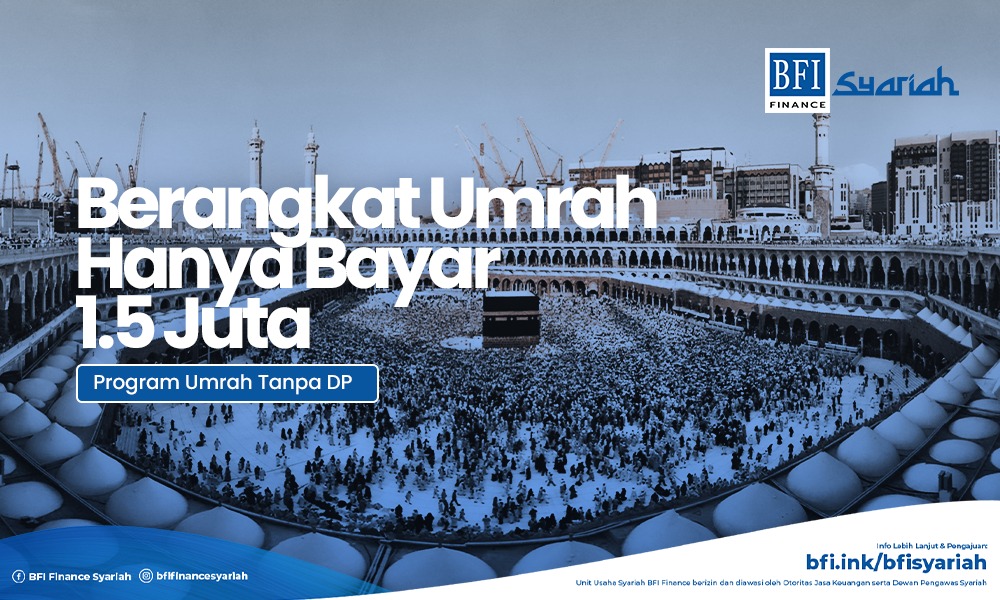
Halal tourism is one of the fastest-growing sectors, driven by the increasing number of Muslim travelers. Muslim-friendly tourism includes access to halal food, prayer facilities, and accommodations that follow sharia principles.
5. Islamic Finance
Islamic finance plays a vital role in supporting a halal lifestyle, particularly in responsible financial management. This system operates based on sharia principles that avoid unjust profit, uncertainty (gharar), and speculative practices.
How to Apply a Halal Lifestyle in Daily Life
Adopting a halal lifestyle in the modern era can start with simple, everyday actions, such as:
-
Choosing halal food and beverages: Ensure products are halal-certified and processed according to hygiene and halal standards.
-
Managing finances through sharia-compliant systems: Use financial products that align with Islamic principles, such as halal savings, financing, or investments.
-
Dressing modestly and ethically: Choose clothing that is comfortable, modest, and reflects personal values and identity.
-
Using halal-certified products: Prioritize halal-labeled cosmetics, medicines, and personal care items that are safe and permissible.
-
Living ethically: Practice honesty, responsibility, and environmental awareness in daily activities.
Living a halal lifestyle is not merely about following trends—it is a long-term commitment to applying halal, ethical, and responsible values across all aspects of life, including business and financial activities, for the greater good.
To fully implement a halal lifestyle—especially when building or expanding a halal business—proper sharia-compliant financial support is essential. BFI Finance offers Sharia Financing through its Sharia Business Unit (UUS), designed in accordance with Islamic principles and available through multi-purpose financing schemes based on ijarah and murabahah contracts.
All BFI Finance services are officially licensed and supervised by the Financial Services Authority (OJK), ensuring a safe, transparent process that aligns with halal lifestyle values. Now, embracing a halal lifestyle while building a blessed business can be easier and more reassuring—#JauhLebihTenang with BFI Finance.