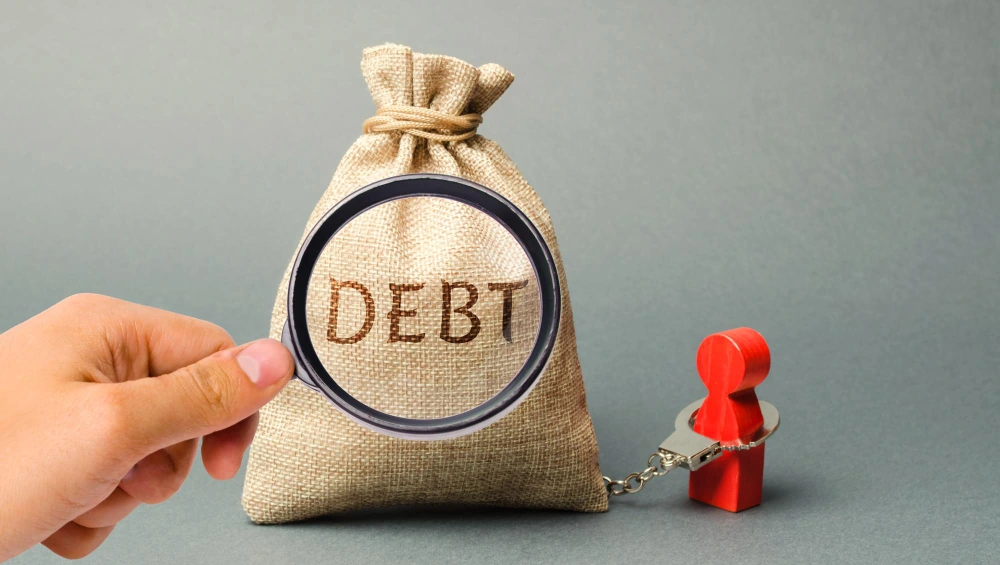
A debt trap occurs when someone gets caught in a cycle of ever-growing debt that becomes increasingly difficult to pay off. This can happen for a number of reasons — from poor financial literacy and a consumptive lifestyle to excessive use of buy-now-pay-later services and loans that never seem to get paid down.
When debt isn't managed wisely, your financial situation can spiral out of control fast. That's why it's crucial to understand what causes a debt trap and how to avoid one before it starts derailing your finances. Let's break it all down.
What Is a Debt Trap?
A debt trap is a situation where someone gets stuck in a debt cycle — continuously taking out new loans just to cover existing installments. It usually starts small: a minor loan here, a late payment there. But those delays trigger interest and penalties that keep stacking up, and before long, the debt keeps growing even though the underlying financial problem was never truly resolved.
This phenomenon is commonly described as "digging one hole to fill another," and it's particularly prevalent among users of online lending platforms. Data from Indonesia's Financial Services Authority (OJK) shows that the non-performing loan rate for legal peer-to-peer lending platforms in the country has hovered around 3%–4%, representing millions of borrower accounts.
On a broader scale, the term "debt trap" is also used in international finance — referring to situations where creditor nations extend excessive loans to borrower countries in order to gain economic or political leverage, even when repayment is practically impossible. The term was first coined by Indian academic Brahma Chellaney in 2017.
What Causes a Debt Trap?
One of the biggest drivers of debt traps is a consumptive lifestyle, which is especially common among younger generations. The desire to keep up with trends, hang out, and buy things on credit or through buy-now-pay-later apps is often fueled by FOMO (Fear of Missing Out) and social pressure amplified by social media.
The culture of "healing" and "self-reward" has also led many people to prioritize instant gratification over long-term financial stability. Add to that the increasingly easy access to online loans, and debt starts to feel like a quick and painless fix.
The real danger? Many people still don't fully understand how interest rates, penalties, and the risk of default work — and without realizing it, they find themselves trapped in a debt cycle that just keeps growing.
The Impact of a Debt Trap
A debt trap doesn't just hurt your wallet — it can spill over into your work life and mental health too. Here's what it can look like in practice:
- Your entire paycheck goes toward installments, leaving your cash flow in a constant state of crisis.
- Saving or investing becomes nearly impossible because most of your money is eaten up by consumption-driven spending.
- The stress of mounting debt can reduce focus, drain motivation, and hurt work performance.
- Missed or late payments damage your credit score, making it harder to secure loans in the future.
- Financial pressure can erode job loyalty and, in extreme cases, push people toward misusing their authority in search of extra income.
Warning Signs You May Already Be in a Debt Trap
Debt traps often creep up unnoticed — what starts as an ordinary financial hiccup can quietly snowball into something much harder to escape. Here are some red flags to watch out for:
1. Installments Exceed 30% of Your Income
When loan repayments take up more than a third of your monthly income, your finances are already under strain. Day-to-day expenses, savings, and emergency funds all start to take a hit.
2. You're Frequently Late on Payments
Consistent late payments cause interest and penalties to pile up. Even if each penalty seems small, the cumulative effect can significantly inflate your total debt — even as you're actively paying it down.
3. You're Using One Loan to Pay Off Another
Taking out a new loan to cover an existing installment is a classic sign that your paycheck has already run dry. It may feel like a temporary solution, but in reality, it only tightens the debt cycle and makes it harder to break free.
4. You Dread Opening Payment Notifications
When debt collection notifications trigger anxiety or fear, it's a strong signal that the financial burden has started affecting your mental well-being and daily life.
If any of the above sounds familiar, you may already be in the early stages of a debt trap. The good news? It's still fixable — with the right steps and a more intentional approach to managing your finances.
How to Avoid a Debt Trap
Avoiding a debt trap doesn't require drastic measures — it's about taking consistent, manageable steps over time. Here's what you can do:
- Don't take on new loans until your existing debt is fully under control.
- Monitor your debt ratio regularly to ensure installments don't exceed 30% of your income.
- List all your debts — including interest rates, penalties, and due dates — so nothing slips through the cracks.
- Prioritize high-interest debts first to reduce your overall financial burden more efficiently.
- Revisit your monthly budget and temporarily cut back on non-essential spending.
- Use your emergency fund wisely if necessary to help clear outstanding debt.
- Never miss a payment deadline — late fees and compounding interest are your biggest enemies.
- Consider a balance transfer or credit take-over to secure a lower interest rate, subject to the policies of each financial institution.
- Keep an eye on your credit history — late payments can affect future loan applications.
- Invest in your financial literacy, particularly around debt management, through trusted media and certified financial advisors.
A debt trap is easier to fall into than most people think — but with awareness and the right financial habits, it's also very much avoidable. Understanding the causes, recognizing the warning signs early, and taking proactive steps to manage debt responsibly are the keys to keeping your finances healthy and in control.
One of the most important moves you can make is choosing financing that truly fits your financial capacity — from a licensed and regulated institution you can trust.