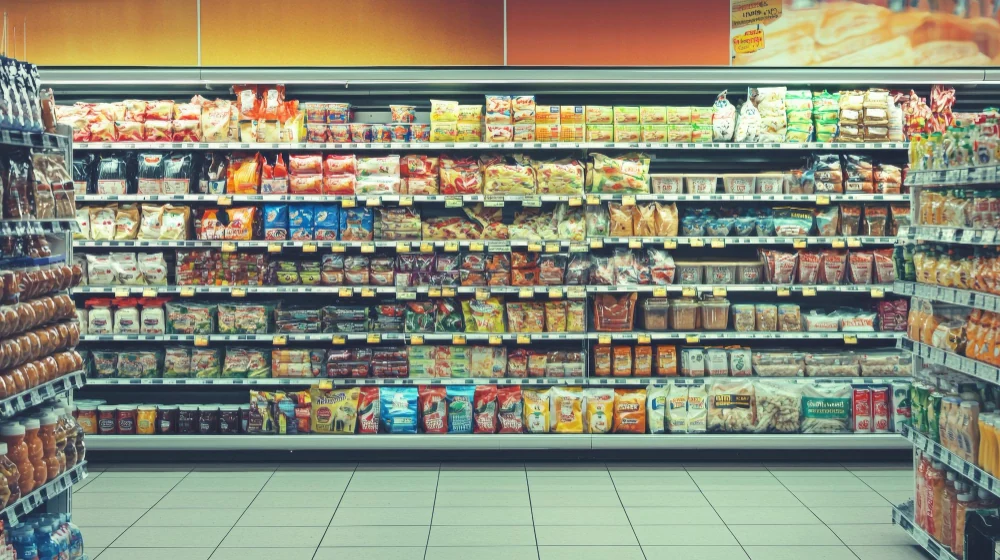
In retail businesses, product arrangement on shelves is something that needs careful attention. Proper product placement can help increase sales while also providing a more comfortable shopping experience for customers.
One strategy that is often applied is cross merchandising. So, what exactly is cross merchandising and how can it be implemented in a store? Check out the full explanation below.
What Is Cross Merchandising?
Cross merchandising is a method of arranging products by placing items from different categories, but still related to each other, on nearby shelves. The goal is to encourage customers to purchase more than one product.
For example, french fry seasoning is placed near the frozen fries section. When buying fries, customers may remember to buy the seasoning or become interested because they see that the products go well together.
This strategy helps customers more easily find complementary products. It is commonly used in various types of stores, such as grocery stores, supermarkets, pharmacies, electronics stores, and department stores.
Why Is Cross Merchandising Important for Business?
Cross merchandising can help increase sales while making the shopping experience more practical. This strategy also provides many benefits for stores. Here are some reasons why it is worth implementing:
- Introducing new products: New items can be placed near frequently purchased products, making them more visible and increasing awareness.
- Boosting sales: Placing related products together can encourage customers to buy more items at once.
- Triggering impulse purchases: Seeing related products together can lead customers to buy items they did not initially plan to purchase.
- Attracting new customers: Complementary product arrangements can make people realize they need certain items and decide to buy them.
- Reminding customer needs: This strategy helps remind customers of other items commonly used alongside what they are buying.
- Making shopping faster: Related products are located in the same area, so customers do not need to search across multiple shelves.
- Providing new inspiration: Customers can discover new ideas on how to use or combine products.
- Increasing customer loyalty: A smoother and more convenient shopping experience encourages customers to return.
Examples of Cross Merchandising Implementation
Cross merchandising can be applied in various types of stores because it helps customers find complementary products more easily. Here are some examples:
1. Supermarkets and Minimarkets
An example is placing marshmallows, chocolate bars, and biscuits on the same shelf. This allows customers to immediately see items that can be used together.
Another example is placing pasta near tomato sauce and parmesan cheese. This setup helps customers purchase all the ingredients needed for a meal at once.
2. Clothing Stores
In clothing stores, this strategy can be applied by arranging matching products in one area. For instance, sportswear can be displayed alongside running shoes and water bottles so customers can easily see related items.
Another example is placing summer clothing near accessories like hats and sunglasses, making it easier for customers to find complementary items.
3. Electronics Stores
In electronics stores, complementary products can be placed near the main items. For example, chargers, earphones, and phone cases can be displayed near the smartphone section.
Another example is placing gaming joysticks and headsets near video game consoles so customers can easily identify compatible accessories.
4. Home Goods Stores
In home goods stores, cross merchandising can be applied by placing related products in the same area. For example, non-stick pans can be placed near cooking ingredients or seasonings to inspire customers to cook.
Another example is placing aromatherapy candles near bath products, giving customers ideas to create a spa-like experience at home.
Cross Merchandising Strategies
To make cross merchandising effective, product arrangement must be done with the right strategy. Here are some approaches that can be applied:
1. Choose a Specific Theme
Cross merchandising can be adjusted to specific moments or seasonal changes. This helps customers quickly find items they typically need during that time.
For example, before Eid, stores can place syrup, cookies, and jars in the same area. During the rainy season, umbrellas, raincoats, and anti-slip sandals can be placed near the entrance for easy visibility.
2. Understand Customer Shopping Patterns
Many retail stores use sales data to understand customer shopping behavior. This information usually comes from cashier systems connected to the store database.
From this data, stores can identify which items are frequently purchased together. This insight can then be used to arrange products more effectively and encourage additional purchases.
3. Create Attractive Displays
An appealing product display can make cross merchandising more effective. Colors, lighting, and product arrangement should be organized neatly to attract customer attention.
Displays can also highlight promotional items, helping customers easily find products that are currently on sale.
4. Use Proper Display Techniques
To ensure this strategy works well, shelf arrangement must be considered. Products that need more attention should be placed at eye level for better visibility.
Other related items can be placed on upper or lower shelves, or positioned close to the main product.
5. Place Products Unexpectedly
Another strategy is placing products in unexpected locations. For example, marshmallows or small toys appearing in certain shelf areas.
This placement helps customers realize that the store carries those items, increasing the chances of unplanned purchases.
6. Place Impulse-Buy Products Strategically
One goal of cross merchandising is to encourage impulse buying. A common example is placing candy and chocolate near the cashier.
These products easily attract attention because they are clearly visible during checkout. Even though they are inexpensive, these small purchases can significantly increase total sales.
Cross merchandising is an effective strategy to help customers find complementary products while increasing sales. With proper product arrangement, stores can create a more convenient and engaging shopping experience.
In addition to product arrangement strategies, store management must also be prepared to handle operational funding needs, such as increasing stock or updating displays. In such situations, it is important to choose financing solutions with clear terms and transparent processes.
One option to consider is financing from BFI Finance. You can apply for financing using motorcycle BPKB, car BPKB, or property certificates such as houses, shop houses, or office units, depending on your needs.
BFI Finance is licensed and supervised by the Financial Services Authority (OJK). Therefore, when unexpected needs arise, you still have a reliable financing solution to help achieve your financial plans because #SelaluAdaJalan with BFI Finance.