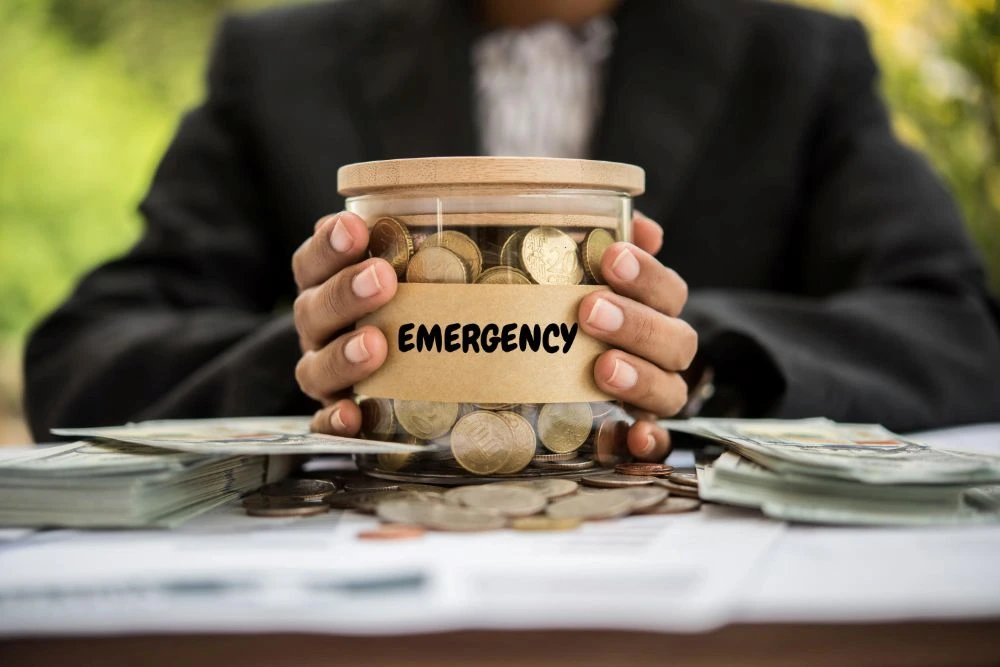
Unexpected expenses can happen to anyone—whether due to sudden medical bills, loss of income, or accidents. That’s why having an emergency fund is essential for maintaining financial stability.
Unfortunately, many people are still unsure how to calculate the ideal emergency fund amount due to limited guidance and clear information. The fund must be carefully calculated—large enough to cover urgent needs, yet realistic so it doesn’t strain your finances.
The key to building an emergency fund lies in proper financial planning and tailoring the calculation to your personal situation and needs. With the right approach, an emergency fund can serve as a financial safety net without disrupting your savings or long-term financial goals.
Let’s explore how to calculate your emergency fund properly below.
What Is an Emergency Fund?
An emergency fund is a specific amount of money intentionally set aside to handle urgent or unexpected situations. These emergencies may include accidents, family medical expenses, home repairs, or sudden job loss due to layoffs.
In simple terms, an emergency fund acts as a financial “buffer” that protects your financial condition when unplanned expenses arise.
Why Is an Emergency Fund Important?
Having an emergency fund ensures your financial security when facing unexpected events.
With sufficient emergency savings, you won’t need to dip into your main savings or liquidate long-term investments meant for other goals. Here are some additional benefits:
1. Avoid Falling into Debt
Without an emergency fund, you may be forced to borrow money when unexpected expenses occur. Over time, this can lead to accumulating debt that becomes difficult to manage.
2. Potential Retirement Boost
If rarely used, your emergency fund can later serve as additional retirement savings, helping you enjoy greater financial comfort in your later years.
How to Calculate Your Emergency Fund
The ideal emergency fund amount varies for each individual, depending on monthly expenses and life circumstances. Here’s how to calculate it step by step:
1. Gather Your Monthly Expense Data
Start by reviewing all your monthly expenses. Categorize them into primary (essential), secondary, and tertiary (non-essential) expenses. Minimize impulsive or unnecessary spending so you can allocate more toward your emergency fund.
2. Calculate Your Total Monthly Expenses
List all essential recurring expenses, including:
-
Food
-
Transportation
-
Electricity and water
-
Internet
-
Loan installments
-
Household needs
Add them up to determine your total monthly living cost. This figure represents the minimum amount required to maintain your lifestyle during financial instability.
3. Set Your Emergency Fund Target
The recommended emergency fund size depends on your marital and family status:
-
Single (unmarried): At least 3–4 times your monthly expenses
-
Married: At least 6 times your monthly expenses
-
Married with 1 child: At least 9 times your monthly expenses
-
Married with 2 children: At least 12 times your monthly expenses
Example:
If your household expenses are IDR 4 million per month, your emergency fund target should be:
-
IDR 12–16 million (single)
-
IDR 24 million (married)
-
IDR 36 million (married with 1 child)
-
IDR 48 million (married with 2 children)
Tips to Build Your Emergency Fund Faster
Saving for an emergency fund isn’t as difficult as it may seem. You can start by setting aside around 10% of your monthly income.
Here are additional tips to help you grow your fund:
-
Keep your emergency fund in a separate bank account from daily expenses and primary savings.
-
Avoid saving only what’s “left over.” Instead, allocate your emergency fund immediately after receiving your income.
-
Consider placing your emergency fund in low-risk, highly liquid investment instruments, such as money market mutual funds.
Stay Prepared for Financial Emergencies
Understanding how to calculate your emergency fund is a crucial step toward long-term financial security. By knowing your monthly expenses and adjusting them to your personal situation, you can determine the right target amount.
However, urgent needs may sometimes arise before your emergency fund is fully built. In such situations, you may consider alternative financing options without disrupting your household budget. One option is financing services from BFI Finance.
At BFI Finance, you can apply for secured financing using motorcycle BPKB, car BPKB, or property certificates (house, shop house, or commercial space), depending on the assets you own. The company is officially licensed and supervised by Otoritas Jasa Keuangan (OJK), ensuring a transparent and practical loan process tailored to your needs.
So when urgent situations arise and you need a financial solution, there’s always a way forward with the right preparation and trusted financial support.