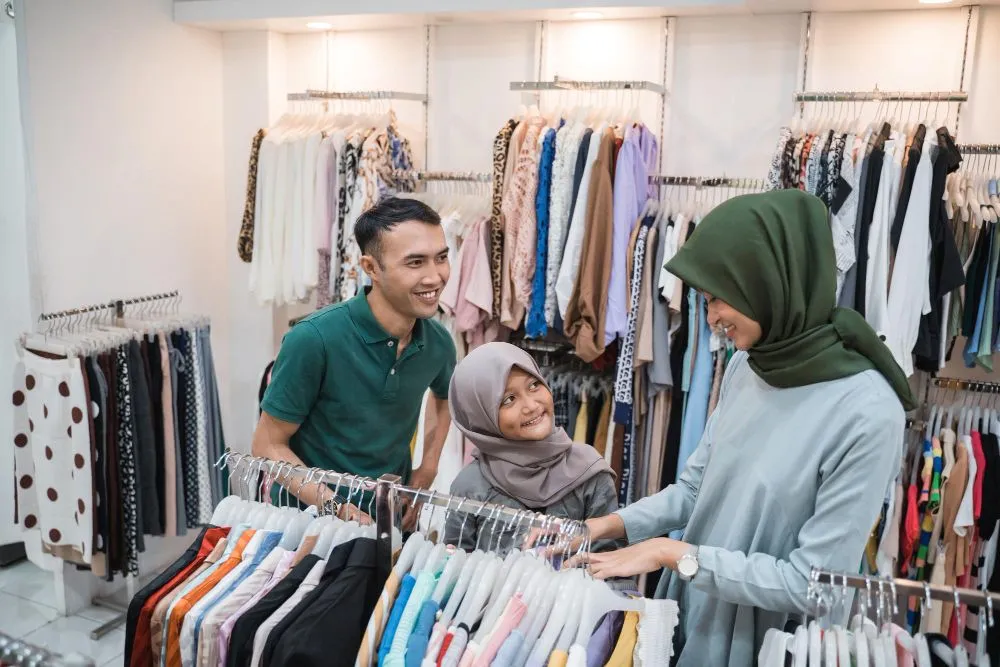
The Muslim clothing business in Indonesia is known for having a stable and continuously growing market. As the country with the largest Muslim population in the world, demand for Muslim fashion—especially ahead of Ramadan and Eid—continues to increase year after year.
Despite its promising potential, this business also comes with intense competition. Therefore, the right strategy is essential to ensure your business runs optimally and remains competitive in the market.
So, what opportunities does this business offer, and how can you get started? Let’s explore the complete opportunities and practical tips in this article!
Opportunities in the Muslim Clothing Business
The demand for Muslim fashion in Indonesia has been met by many existing businesses. However, strong and consistent market interest keeps opportunities in the Muslim clothing business wide open for anyone looking to enter this industry.
Steady demand is one of the main reasons why this business remains attractive and sustainable.
That said, competition in the Muslim fashion industry is quite intense. Business owners must stay alert to trends and continuously introduce creative designs in order to survive and stand out among competitors.
Popular Types of Muslim Clothing
Sales performance in the Muslim clothing business is highly influenced by the types of products offered. That’s why it’s important to focus on clothing items that are currently trending and in high demand. Here are some popular types of Muslim clothing you can consider:
1. Tunics
Tunics are Muslim women’s tops that typically fall to the knee or calf and are usually paired with pants for comfort and ease of movement. Their simple yet stylish design makes them easy to mix and match with accessories, making tunics suitable for various occasions.
2. Kaftans and Abayas (Gamis)
Kaftans and abayas are long dresses that reach the ankles and are often made from lightweight fabrics such as satin, with added details like pleats or lace. These garments have strong business potential as they are highly popular among Muslim women, especially during Eid, thanks to their elegant appearance, modern designs, and versatile appeal across different age groups.
3. Koko Shirts
Koko shirts are versatile garments suitable for various occasions, including Eid, formal events, and daily worship. With increasingly diverse styles available, it’s important to offer koko shirts made from breathable materials with simple yet attractive patterns, such as batik or embroidery, to remain competitive in the market.
4. Sarongs
Sarongs are multifunctional items that are always in demand, whether for worship or daily activities. Models with elastic waistbands or buttons are increasingly popular due to their practicality and comfort, making sarongs a consistently sought-after product.
Tips for Starting a Muslim Clothing Business
With the growing number of players in the Muslim fashion industry, a solid strategy is essential to stay competitive and maximize profits. Here are some beginner-friendly tips you can apply:
1. Determine Your Product Sourcing
The first step in starting a Muslim clothing business is deciding how you will source your products. You can choose to produce items yourself or become a reseller working with distributors, depending on your capital and inventory readiness.
Selecting the right supplier is crucial, as it directly affects product quality. Conduct thorough research and compare suppliers based on fabric quality, pricing, and reliability. Whether you sell established brands or build your own, ensure your supplier is trustworthy.
2. Create a Business Plan and Strategy
To keep your business on track, it’s important to develop a clear business plan from the start. This includes defining your product focus, operational workflow, market positioning, and marketing approach.
With a well-prepared plan, you’ll find it easier to design strategies such as identifying your target market, strengthening marketing efforts, expanding product variations, and creating unique value propositions that differentiate your brand from competitors.
3. Define Your Target Market and Product Types
Identifying your target market early on helps keep your business focused. You can target specific segments, such as Muslim families, Muslim women, or audiences defined by age, income level, or lifestyle preferences.
A clear target market allows you to tailor your product offerings to better match customer needs and preferences.
4. Prepare Your Capital
Capital preparation is a key step in starting a Muslim clothing business. Capital can come from personal savings, investments, profits from previous businesses, or even loans if necessary.
To determine the required capital, create a business plan and decide on the type and quantity of products to sell initially. If funds are limited, you can start on a small scale and gradually expand.
5. Build a Unique Brand Identity
A unique brand character or identity is essential to make your Muslim clothing business easily recognizable. This uniqueness should be reflected in both your store and brand image.
Your brand identity can be built through various elements, such as patterns, fabric quality, color selection, pricing, product photography, packaging, and promotional offers. A strong identity makes your brand more memorable and enhances marketing effectiveness.
6. Create a Website and Use Marketplaces
To increase accessibility, consider building a website and leveraging online marketplaces. With online shopping becoming increasingly popular, this step is crucial for expanding your reach.
A website helps showcase your product catalog clearly while building trust through relevant content. Meanwhile, marketplaces make it easier for potential customers to find your store or brand quickly.
7. Develop an Effective Marketing Strategy
An effective marketing strategy plays a vital role in supporting your Muslim clothing business. Maximizing the use of websites and marketplaces should be part of your marketing efforts.
In addition, utilize social media to expand reach, introduce products, and create engaging content. Complement this with promotions, discounts, or special offers during key moments such as religious holidays to boost purchase interest.
8. Innovate and Keep Up with Trends
To keep your Muslim clothing business appealing, continuous innovation and trend awareness are essential. Understanding popular styles, colors, and fashion preferences helps ensure your products remain relevant to the market.
Fashion trends change constantly, presenting both challenges and opportunities. With a clear target market and the right strategies, the Muslim clothing business remains highly promising—even for beginners.
Those are the opportunities and tips for starting a Muslim clothing business that you can consider developing seriously. By understanding market trends, preparing the right strategies, and continuously innovating, this business has strong potential to grow into a sustainable and profitable venture.
However, when starting and expanding a business, capital requirements often become a challenge—whether for production, inventory, or business expansion. To address this, BFI Finance offers a reliable financing solution.
BFI Friends can apply for funding by using Motorcycle BPKB, Car BPKB, or Property Certificates (House, Shop House, or Office) as collateral, tailored to their business needs. Moreover, BFI Finance is licensed and supervised by the Financial Services Authority (OJK), ensuring a transparent and trustworthy financing process.
So, don’t let limited capital hold you back from building your Muslim clothing business. It’s time to turn your plans into reality and grow your opportunities—because #ThereIsAlwaysAWay with BFI Finance.