The COVID-19 pandemic brought significant changes to transaction habits. Today, many people prefer digital payments because they are more practical and hassle-free. This habit is known as a cashless society, which refers to non-cash transaction or payment methods.
As economic activities resume and public mobility increases, the use of electronic money has also become more frequent. This shows that digital transactions are gradually becoming part of everyday life. To better understand what a cashless society is, read this article until the end.
What Is a Cashless Society?
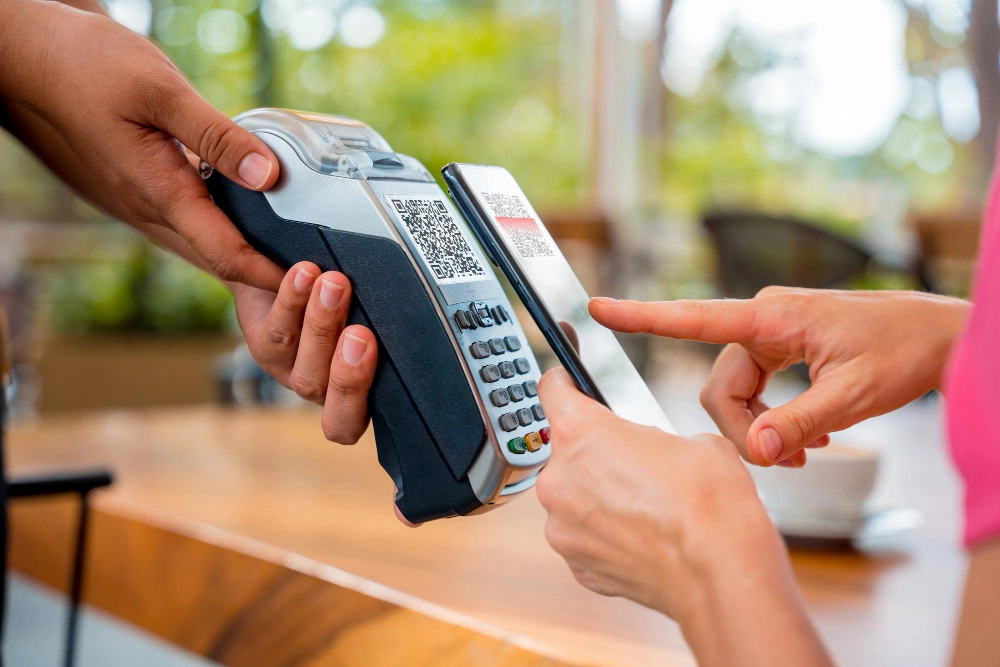
A cashless society is a condition in which people conduct transactions without using physical cash, relying instead on digital methods such as internet banking, mobile banking, or digital wallets. In other words, the use of paper money and coins is decreasing because transactions can be carried out online.
The benefits of a cashless society include faster and more convenient transactions, reduced risk of losing cash, improved security, and better financial management.
In Indonesia, non-cash payment systems are encouraged to ensure smoother and more efficient financial activities. With digital financial services, people can adapt more easily to cashless transactions, making the cashless society part of daily life and supporting the development of the national financial system.
Why Has the Cashless Society Phenomenon Emerged?
The cashless society did not appear overnight. Various factors have driven changes in how people conduct transactions, especially alongside technological advancements and lifestyle shifts.
Below are some of the main reasons why the cashless society has emerged and continues to grow:
1. People Seek Convenience and Speed
A cashless lifestyle makes transactions faster and more practical. With just a smartphone, payments can be made anytime, with systems that automatically record transaction history.
2. Increasing Public Awareness of Technology
Rapid technological development encourages people to keep up with new trends. As a result, many individuals begin adopting cashless payments by learning and using various available non-cash payment methods.
3. The Growing Popularity of Online Payment and E-Commerce Systems
The rise of marketplaces and multiple virtual payment options has led people to shift from cash to non-cash transactions. Online shopping has become increasingly popular due to its convenience, prompting more people to choose digital transactions over cash payments.
4. The COVID-19 Pandemic Accelerated the Transition
The COVID-19 pandemic accelerated the formation of a cashless society in Indonesia. Due to concerns about virus transmission, many people carried less cash and switched to digital payments. This habit has made non-cash transactions more common in daily life.
Advantages of a Cashless Society
As more people transition to non-cash transactions, the cashless society offers several advantages that are felt directly in everyday activities. Here are some key benefits:
1. Practical and Secure
One of the most noticeable advantages is convenience. You can make payments anytime and anywhere without having to visit an ATM. Digital payment systems are also secure, as they are protected by PIN codes or personal passwords.
2. Reduced Risk of Crime
News about robbery or pickpocketing is often linked to carrying large amounts of cash. With non-cash payments, this risk can be reduced since transactions are conducted digitally and more securely.
3. Attractive Promotions
In addition to being practical and secure, cashless transactions often come with promotions and discounts. Many digital payment providers offer special deals to attract users, making transactions more cost-effective.
Disadvantages of a Cashless Society
Despite its many advantages, the cashless society also has several drawbacks that need to be considered. Below are some of the main challenges that may affect comfort and security in non-cash transactions.
1. Limited Internet Access in Certain Areas
Not everyone in Indonesia has easy access to the internet. In some regions, limited connectivity makes digital payment services difficult to use evenly.
2. Low Digital Literacy
Aside from internet access issues, some segments of society still struggle to understand how to use digital payment services. This condition hinders the smooth implementation of a cashless society across all regions.
3. Cybersecurity Risks
Recently, there have been many cases of cyber fraud, such as digital wedding invitations in APK format. In these cases, scammers send invitations that, when opened, allow hackers to access the victim’s phone. As a result, criminals can gain access to digital payment and mobile banking applications.
That concludes the explanation of the cashless society, from its definition to its advantages and disadvantages. By understanding this concept, you can be more prepared and smarter in adapting to a non-cash transaction lifestyle.
In addition to utilizing digital transactions, it is also important to consistently manage your finances—both personal and business—to ensure financial needs remain well organized.
If you need quick funding but your savings are insufficient, BFI Finance offers fast and practical financing solutions. With collateral such as a Motorcycle BPKB, Car BPKB, or Property Certificate (House/Shophouse/Office), financing applications can be submitted quickly and easily.
The financing process at BFI Finance is transparent, supported by over 40 years of experience and supervision by the OJK (Financial Services Authority). With BFI Finance’s support, your financial needs can be fulfilled without unnecessary burdens, providing peace of mind and ensuring all financial matters run smoothly. So, there’s no need to worry—because #SelaluAdaJalan with BFI Finance.