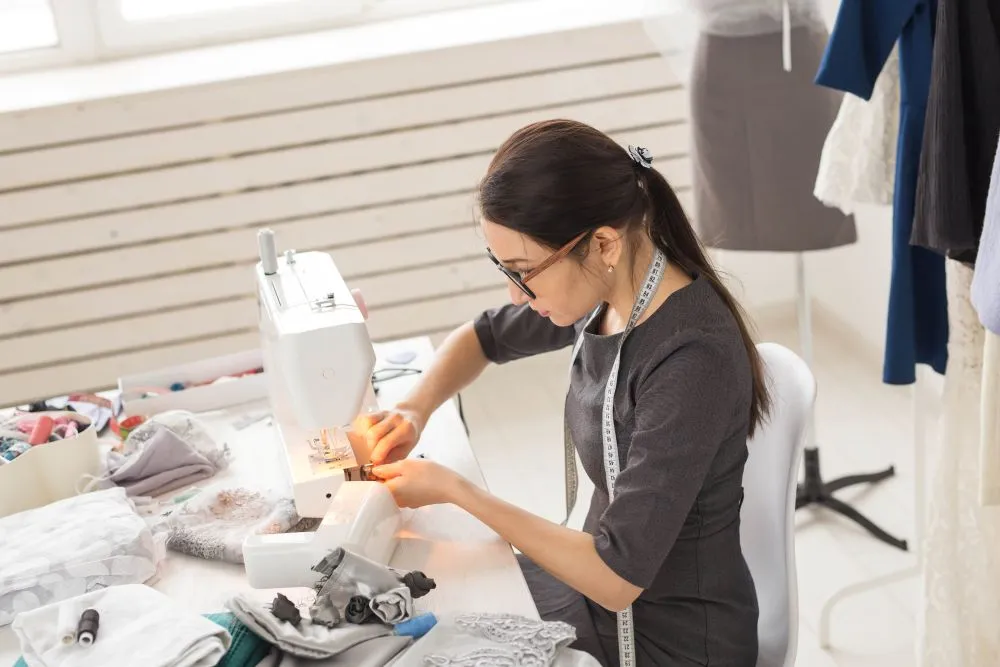
The sewing business remains a relevant and promising business opportunity today—especially for those who want to start a venture with relatively small capital but strong long-term growth potential.
As the fashion industry continues to evolve, demand for custom-made clothing, special designs, and garment alteration services keeps increasing. These services are needed by people from all walks of life. If you’re interested in starting a sewing business, explore the opportunities and practical tips in this article!
Understanding the Sewing Business
A sewing business is an enterprise focused on producing textile products through fabric cutting, assembly, and stitching based on specific designs.
The range of products is quite diverse, from everyday wear, workwear, and sportswear to home textiles such as bed sheets, curtains, and various accessories. This business is highly flexible and can adapt to constantly changing market demands.
The Role of the Sewing Business in Fashion Industry Growth
Below are several key roles the sewing business plays in supporting the fashion industry:
1. Mass Production
Sewing businesses support large-scale garment production through efficient and fast processes. With precise fabric cutting, assembly, and stitching, clothing can be produced in bulk, making fashion more accessible and affordable for the wider public.
2. Customization
Beyond mass production, sewing businesses also provide clothing customization services. Customers can tailor sizes, styles, and designs to suit their personal preferences, resulting in garments that fit better, feel more unique, and reflect individual character.
3. Haute Couture
In the haute couture segment, sewing plays a crucial role due to the high level of craftsmanship required. Skilled tailors work closely with designers to create luxurious, detail-oriented garments made by hand and tailored specifically to the wearer—often celebrities or influential figures.
4. Pattern Development
Tailors are essential in garment pattern development. Patterns are created from initial designs and adjusted to body measurements, serving as a production reference to ensure proper fit and design accuracy.
5. Alteration and Repair
Sewing businesses also specialize in clothing repairs and alterations—ranging from resizing garments and fixing damaged stitches to modifying designs to keep up with fashion trends.
6. Experimenting with Fabrics and Designs
Tailors often serve as creative labs for experimenting with materials and designs. Together with designers, they create prototypes, test different fabrics, and bring innovative ideas to life before mass production.
7. Fashion Collection Development
In fashion collection development, tailors collaborate with designers to create sample garments for fashion shows. Their work transforms creative visions into tangible pieces before collections are introduced to the public.
8. Sustainable Fashion
With growing environmental awareness, sewing businesses support sustainable fashion by using eco-friendly materials and production processes, while encouraging innovation and responsible industry growth.
Sewing Business Opportunities in Indonesia
With constant demand for clothing, the sewing business offers numerous opportunities for growth. Here are some sewing business ideas worth considering:
1. Garment Manufacturing (Convection Business)
Producing clothing in large quantities for retailers or direct consumers is one of the main opportunities. Staying aligned with local and global fashion trends helps ensure business sustainability.
2. Fashion Boutique
Opening a fashion boutique is ideal for those with a passion for design or strong knowledge of local styles. Products can be self-designed or sourced from local and international producers, then sold through a strategically located boutique.
3. Children’s Clothing and Muslim Fashion
Niche markets such as children’s clothing and Muslim fashion offer strong potential. In Indonesia, demand for quality products in these segments increases significantly during Ramadan and Eid.
4. Custom Clothing
Offering custom-made clothing services adds significant value. Tailoring designs and sizes to customer needs can increase customer satisfaction and profit margins.
5. Home Textile Products
Home textile products also provide wide business opportunities. You can produce items such as bed sheets, curtains, and tablecloths, and sell them both online and offline.
6. Sustainable Fashion
Sustainable fashion is a growing market as more consumers prefer eco-friendly clothing. Using recycled or organic materials can become a strong selling point for your sewing business.
7. Sewing Courses
If you have strong sewing skills and experience, offering sewing courses can be a profitable home-based business. Interest in sewing education is high, especially among those seeking new skills or planning to start their own sewing business.
8. Clothing Rental
Clothing rental services can be an alternative business model. Special occasion outfits—such as wedding or party attire—are particularly in demand.
9. Accessory Products
Beyond apparel, sewing businesses can expand into accessories such as bags, scarves, hats, and even shoes with unique designs that attract consumers.
10. E-commerce
Leveraging e-commerce platforms allows sewing businesses to reach broader markets, both domestically and internationally. By understanding local demand, following fashion trends, maintaining product quality, and actively using social media and online platforms, business growth becomes more achievable—while still complying with applicable regulations.
Tips for Starting a Sewing Business
Starting a sewing business can be done gradually with the right strategy. To ensure sustainable growth, consider these practical tips:
-
Define your niche or specialization: Focus on custom clothing, alterations, or accessories to clarify your target market.
-
Use affordable basic equipment: Start with a functional home sewing machine and upgrade as your business grows.
-
Prioritize quality and service: Neat stitching and friendly service encourage repeat customers.
-
Leverage social media for promotion: Platforms like Instagram and TikTok are ideal for showcasing finished products and behind-the-scenes processes.
-
Build relationships with suppliers: Reliable fabric and sewing supply vendors help control production costs.
-
Set competitive pricing: Balance production costs, quality, and market prices to stay profitable.
-
Use customer referrals and networking: Word-of-mouth promotion can grow your business without high marketing costs.
-
Manage finances properly: Separate personal and business finances to maintain healthy cash flow.
-
Continuously improve skills: Join training programs and stay updated with fashion trends.
-
Maintain reputation and trust: Meet deadlines and handle complaints professionally to build long-term customer trust.
A sewing business can grow sustainably when managed with the right strategy. As market demand continues to rise, this business has the potential to become a stable source of income—although additional capital is often needed to support expansion.
To help meet these funding needs, BFI Finance is here as a trusted financing solution. You can apply for funding by using Motorcycle Ownership Certificates (BPKB), Car Ownership Certificates (BPKB), or Property Certificates (House/Shop/Office) according to your business needs.
BFI Finance is licensed and supervised by the Financial Services Authority (OJK), making it a reliable partner to support your business financing. So, what are you waiting for? Take advantage of the right financing support and start turning your business plans into reality—because #ThereIsAlwaysAWay with BFI Finance.